What Having Visible Veins on Your Hands Really Means The Science Explained
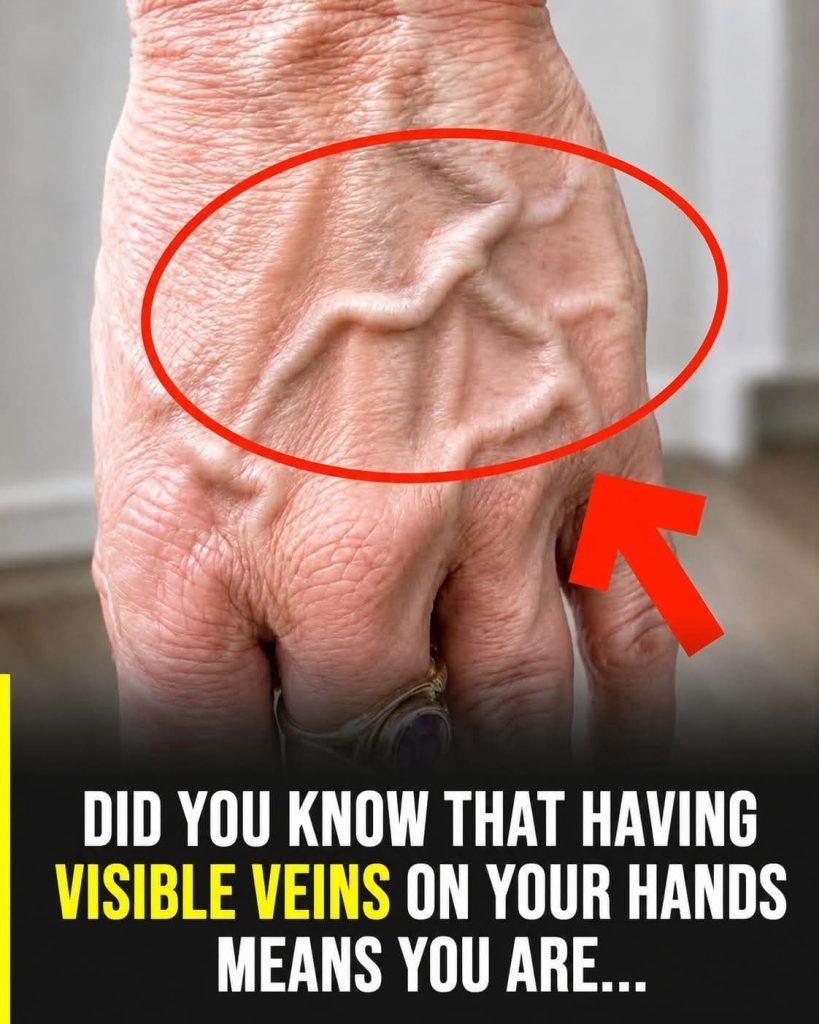
The image 1000007188.jpg displays a common physical trait that often sparks curiosity and occasionally unnecessary concern: highly visible, prominent veins on the back of the hands accompanied by viral, clickbait-style text. Social media posts frequently use phrases like “Did you know that having visible veins on your hands means you are…” to suggest a hidden medical condition or a rare personality trait to drive engagement. However, for a digital platform prioritizing factual, policy-compliant content, it is crucial to provide accurate, science-based information. In the vast majority of cases, visible hand veins are completely harmless and are simply a reflection of normal physiological factors such as the natural aging process, low body fat, genetic predisposition, or physical fitness.
The Anatomy and Physiology of Hand Veins
To understand why veins become prominent, it is helpful to look at the basic anatomy of the vascular system. The blood vessels responsible for carrying deoxygenated blood from the body’s extremities back to the heart are located throughout the body, but the veins on the back of the hands are specifically categorized as superficial veins. This means they sit very close to the surface of the skin. Unlike arteries, which are buried deep within muscle tissue for protection and structural support, these superficial veins lack a thick layer of surrounding tissue. This structural reality, combined with several common biological factors, makes them naturally prone to becoming highly visible.
Key Factors That Cause Prominent Veins
Several everyday factors contribute to the bulging or increased visibility of hand veins. Understanding these elements can help dispel internet myths and provide structural reassurance.
Low Body Fat Percentage
One of the most common reasons veins become highly visible is a low percentage of subcutaneous fat, which is the layer of fat stored just beneath the skin. The backs of the hands naturally have very little fat to begin with. For individuals who are naturally lean or who have reduced their overall body fat through dedicated diet and exercise, this insulating layer becomes even thinner. This lack of structural padding allows the blue or purplish network of veins to show through the skin prominently.
The Natural Aging Process
As the human body ages, the skin undergoes significant structural changes. The body’s natural production of collagen and elastin—the vital proteins responsible for keeping skin firm, thick, and elastic—slowly declines over the decades. Consequently, the skin on the hands becomes much thinner and more translucent. Additionally, the natural fat pads on the back of the hands tend to diminish with age. This combined effect of thinning skin and volume loss makes the underlying vascular network much more noticeable in older adults, completely independent of their physical fitness levels.
Physical Exertion and Cardiovascular Fitness
For individuals who engage in regular strength training, weightlifting, or heavy physical labor, visible veins are frequently a sign of cardiovascular fitness. When muscles are actively working hard, they require significantly more oxygen and nutrients, leading to increased blood flow. This causes the blood vessels to widen and expand, a process known as vasodilation, to accommodate the increased volume of blood. Over time, consistent physical exertion can cause these veins to remain slightly more dilated and visible even when the body is at rest.
Genetic Predisposition and Environmental Temperature
Genetics play a substantial role in determining vascular visibility. If your parents or grandparents have naturally prominent veins, there is a high likelihood you will develop them as well, regardless of your body fat percentage or age. Furthermore, environmental temperature can cause rapid, temporary changes. In hot weather, the body purposefully pumps more blood to the superficial veins near the skin’s surface to dissipate heat and regulate core body temperature, making the veins appear temporarily larger and more engorged.
When to Seek Professional Evaluation
While visible veins are generally a harmless cosmetic concern or a benign sign of physical exertion, it is always important to maintain responsible health guidelines. If prominent veins are accompanied by sudden, unusual symptoms—such as localized pain, swelling, redness, a feeling of heat, or if the veins suddenly become hard and rope-like to the touch—it is advisable to consult a qualified healthcare professional. These specific symptoms could occasionally indicate an underlying vascular issue, such as localized phlebitis (vein inflammation), which requires proper medical evaluation rather than internet research.
Conclusion
Seeing prominent veins on your hands, exactly as shown in the reference file 1000007188.jpg, is rarely a cause for alarm. Instead of indicating a mysterious medical condition or a sensationalized trait, it usually means you are experiencing completely normal biological processes, ranging from natural aging and genetic inheritance to the visual results of a healthy, active lifestyle. By understanding the underlying anatomy and the benign factors that cause this physical trait, publishers can dismiss viral clickbait and provide their audience with the factual, reassuring science that keeps the human body functioning optimally.