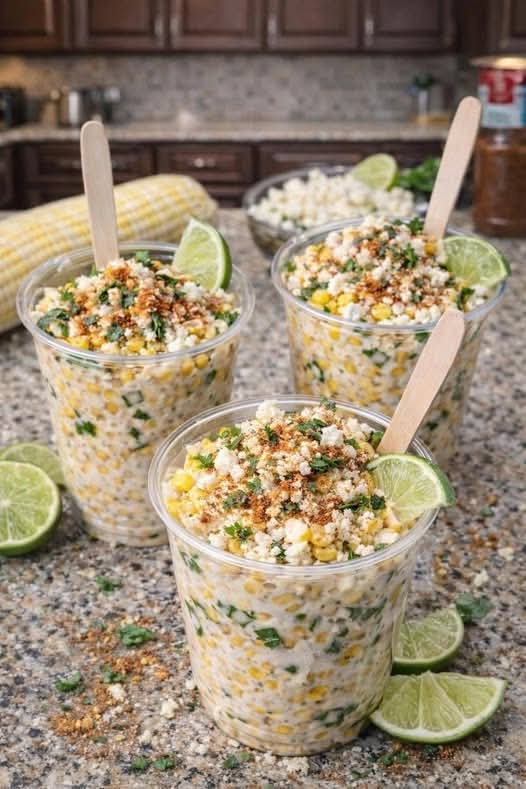
The Ultimate Guide to Authentic Mexican Street Corn in a Cup Esquites A Vibrant Culinary Celebration
Few dishes capture the energetic spirit, bold flavors, and rich cultural heritage of street food quite like Mexican street corn in a cup, traditionally known as esquites or elote en vaso. This irresistible dish is a masterclass in flavor balance, harmoniously combining the natural sweetness of crisp corn kernels with a creamy, tangy dressing, salty crumbled cheese, sharp citrus, and a fiery kick of chili powder. Walking down the bustling streets of Mexico City, Oaxaca, or any vibrant open-air market, the unmistakable aroma of toasted corn simmering with aromatic garden herbs fills the air, drawing crowds to humble street carts. It is a legendary snack that has successfully traveled from historic neighborhood plazas straight into modern home kitchens and garden-focused tables worldwide. In this comprehensive guide, we will dive deep into the fascinating cultural origins of this beloved street snack, deconstruct the essential ingredients that make it an absolute flavor powerhouse, and provide an extensive, step-by-step culinary method to recreate this masterpiece flawlessly at home. Whether you are hosting a festive summer backyard gathering, utilizing a bumper crop of sweet corn from your backyard plot, or simply craving an deeply satisfying snack that awakens your palate, you will discover all the secrets, tips, and techniques needed to craft the perfect cup of authentic esquites.
The Fascinating History and Cultural Roots of Esquites
To fully appreciate a steaming cup of esquites, one must look back at the profound agricultural and historical significance of corn in Mesoamerican culture. Corn, or maíz, is not merely a staple crop in Mexico; it is a sacred element deeply woven into the historical identity, folklore, and daily life of the region for thousands of years, serving as the foundational pillar of ancient civilizations.
From Ancient Aztec Fields to Modern Street Corners
The name “esquites” is derived from the classical Nahuatl word izquitl, which historically translates to “toasted corn.” Archeological and historical records indicate that indigenous populations have been preparing variations of toasted and boiled corn kernels for centuries, utilizing local herbs and seasonings long before European contact. Originally, the dish was crafted by roasting mature corn kernels on a clay comal or boiling them gently with native wild herbs until tender. Over the centuries, as global trade routes introduced new ingredients to the Mexican pantry—such as dairy products and mayonnaise—the dish evolved elegantly into the creamy, multi-layered street food sensation we recognize and cherish today. This modern evolution represents a beautiful culinary bridge between ancient agricultural traditions and contemporary flavor preferences, making it a living piece of edible history.
The Street Food Phenomenon: Elote vs. Esquites
While exploring the world of Mexican street food, you will frequently encounter two iconic preparations of seasonal sweet corn: elotes and esquites. While they share an almost identical flavor profile and utilize the exact same classic toppings, their presentation and eating experiences are completely distinct. Elote refers to the whole corn on the cob, which is typically impaled on a wooden stick, charred beautifully over open charcoal fires, slathered in mayonnaise, and rolled in crumbled cheese and chili powder. While incredibly delicious, eating an elote can be a delightfully messy affair. Esquites solve this practical dilemma by shaving the sweet kernels directly off the cob and cooking them in a savory broth before serving them warm in a portable plastic or paper cup. This makes esquites the ultimate convenience food, allowing you to enjoy every single layer of flavor, spice, and creaminess cleanly with a spoon while walking through a busy market or relaxing at a casual gathering.
Deconstructing the Flavor Profile: High-Quality Essential Ingredients
The true brilliance of authentic Mexican street corn in a cup lies in its flawless execution of contrasting flavors and textures. By selecting fresh, high-quality components from the local market and incorporating vibrant herbs directly from the garden, you can elevate this simple snack into a sophisticated, multi-dimensional culinary experience that stimulates all five basic tastes simultaneously.
Choosing and Preparing the Corn: Fresh vs. Frozen
The undisputed star of this dish is the corn, and selecting the right variety makes an immense difference in the final texture and sweetness. Whenever possible, opt for fresh, seasonal ears of sweet corn straight from your local farm stand or backyard garden. Fresh corn possesses a crisp, juicy snap and a natural milkiness that vanishes quickly after harvest. To prepare fresh ears, carefully husk them, remove the silk, and use a sharp chef’s knife to slice the plump kernels downward off the central cob. If fresh sweet corn is out of season, high-quality sweet frozen corn makes an excellent year-round alternative, as it is typically flash-frozen at peak ripeness. While canned corn can be used in an absolute pinch, it often carries excess sodium and a softer texture that lacks the signature crisp crunch that defines a truly exceptional batch of esquites.
The Aromatic Secret Component: Epazote
If you want to transition your home-cooked esquites from a standard corn salad into an authentically prepared street food masterpiece, you must introduce a unique garden herb known as epazote. Epazote is a pungent, traditional Mexican herb that grows wild across many regions and is prized for its complex aromatic profile, which features notes of citrus, mint, pine, and wild pepper. Simmering the corn kernels alongside a few sprigs of fresh epazote infuses the cooking liquid with a deeply earthbound, authentic flavor that cannot be replicated by any other herb. For home gardeners, epazote is an incredibly hardy and rewarding plant to grow. If you cannot source fresh epazote locally, a combination of fresh cilantro and a touch of wild Mexican oregano can serve as a suitable substitute, though pursuing the authentic herb is highly recommended for culinary purists.
The Creamy Foundation: Balancing Mayonnaise and Crema
The luxurious, velvety coating that binds the corn together relies on a precise combination of fats. Traditional street vendors often use a high-quality, rich mayonnaise, which provides an excellent savory body and allows the spices and cheese to adhere beautifully to each individual kernel. To add a refreshing, tangy brightness that prevents the dish from feeling overly heavy, many modern cooks like to blend the mayonnaise with authentic Mexican crema or sour cream. This mixture creates a wonderfully smooth, balanced base that coats the warm corn gently, carrying the heat of the chilies and the sharpness of the citrus evenly throughout the entire cup.
The Cheese and Spice Finishes: Cotija and Chili Powder
No cup of esquites is complete without a generous snow-like dusting of traditional cheese. The classic choice is Cotija cheese, a dry, firm, and distinctly salty cow’s milk cheese named after the town of Cotija in Michoacán. Often referred to as the “Parmesan of Mexico,” Cotija crumbles beautifully into fine, powdery grains that melt slightly upon contact with the warm corn, adding a wonderful savory punch. If Cotija is unavailable, a high-quality crumbled feta cheese provides a similar salty, briny contrast. To contrast this saltiness, the dish is finished with a vibrant dusting of chili powder. Traditional vendors often offer a choice between a mild, smoky piquín chili, a bright and citrusy Tajín seasoning blend, or a fiery ground cayenne pepper, allowing each individual to customize their level of heat.
Step-by-Step Culinary Guide to Creating Authentic Esquites
Now that we have explored the history and gathered our premium ingredients, let us walk through the detailed culinary process of cooking and assembling the perfect batch of Mexican street corn in a cup. This method focuses on toasting the kernels first to develop a deep, caramelized flavor profile before simmering them to tender perfection.
Step 1: Toasting the Corn to Cultivate Deep Caramelization
Begin by placing a large, heavy cast-iron skillet or a deep Dutch oven over medium-high heat. Add two tablespoons of unsalted butter or a neutral, high-smoke-point vegetable oil to the pan, swirling it to coat the surface evenly. Once the pan is incredibly hot and the butter is foaming, add four cups of fresh corn kernels directly into the skillet, spreading them out into a single, even layer. Allow the corn to cook undisturbed for approximately three to five minutes without stirring. This patience allows the intense heat to caramelize the natural sugars inside the sweet corn, creating beautiful, deep brown charred spots on the exterior of the kernels. After the initial sear, stir the corn well and let it sear for another few minutes. This intentional charring process mimics the smoky flavor profile that traditional vendors achieve by roasting whole ears over glowing wood charcoal fires, adding an indispensable layer of rustic complexity to your final dish.
Step 2: Simmering with Garden Aromatics
Once your corn kernels have achieved a gorgeous, speckled charred appearance, reduce the heat to medium-low. Add two cloves of finely minced fresh garlic and one small finely diced white onion directly to the skillet, stirring continuously for about two minutes until the aromatics become soft, translucent, and incredibly fragrant. Next, pour in half a cup of high-quality vegetable stock, chicken broth, or filtered water. Drop two fresh sprigs of garden epazote or a handful of chopped fresh cilantro directly into the liquid. Cover the skillet with a tight-fitting lid and allow the mixture to simmer gently for approximately five to seven minutes. This brief steaming period ensures that the caramelized corn absorbs the herbal aromas completely and softens into a plump, tender, and juicy texture while still retaining its satisfying structural snap. Turn off the heat, remove the lid, and discard the whole epazote sprigs, leaving behind perfectly seasoned corn.
Step 3: Preparing the Vibrant Zesty Dressing Base
While the savory corn mixture cools slightly in the pan, prepare the creamy dressing in a separate small mixing bowl. Whisk together three tablespoons of premium mayonnaise, two tablespoons of authentic Mexican crema or sour cream, and the freshly squeezed juice of one large, juicy garden lime. The fresh lime juice is absolutely critical here, as its sharp, natural acidity cuts directly through the rich fats of the dairy, brightening the entire flavor profile instantly. Whisk the mixture vigorously until it forms a perfectly smooth, uniform, and pourable consistency. Season the dressing lightly with a pinch of fine sea salt, keeping in mind that the Cotija cheese topping will introduce a significant amount of saltiness later on during assembly.
Step 4: Integrating and Tasting the Masterpiece
Pour the smooth, zesty lime dressing directly over the warm corn kernels in the skillet. Use a large rubber spatula or wooden spoon to gently fold the ingredients together until every single kernel of sweet corn is completely enrobed in a thin, glossy, and creamy layer of sauce. Next, stir in half a cup of finely chopped fresh flat-leaf parsley or cilantro from your garden, which adds a beautiful burst of emerald green color and a crisp herbal note. At this stage, perform a critical taste test. Adjust the flavor balance as needed by adding an extra squeeze of fresh lime juice for tartness, a pinch of salt, or a tiny dash of chili powder to integrate the heat thoroughly into the base before final plating.
Step 5: Assembling the Perfect Street-Style Cups
To recreate the authentic, nostalgic street vendor experience, gather four clear heat-resistant glasses or sturdy portable cups. Use a large spoon to layer the warm, dressed corn mixture into each cup, filling them about halfway to the top. Sprinkle a generous tablespoon of crumbled salty Cotija cheese and a light dusting of smoky chili powder or Tajín seasoning directly over this middle layer. Spoon more of the hot corn mixture on top until the cups are comfortably full. Finish each cup with a grand final flourish: a heavy, snow-like blanket of crumbled Cotija cheese, an artful dusting of vibrant red chili powder, a final sprinkle of fresh chopped cilantro, and a pristine wedge of fresh lime perched elegantly on the rim. Serve the cups immediately while the corn is still warmly steaming, providing each guest with a wooden spoon so they can dig deep and mix all the glorious layers together with every bite.
Creative Modern Variations for Creative Home Cooks
One of the most enjoyable aspects of mastering a classic recipe like esquites is the effortless versatility it offers for creative adaptation. Once you understand the fundamental equilibrium of sweet, creamy, sour, and spicy elements, you can confidently introduce new ingredients to align with specific seasonal harvests or unique culinary concepts.
The Smokey Roasted Pepper Twist: Infusing Charred Poblanos
For those who appreciate a deeper, earthier layer of mild spice, incorporating fire-roasted peppers into your corn mixture is an exceptional upgrade. Try roasting a fresh green poblano pepper directly over an open gas flame or under your oven broiler until the skin is completely charred and blackened. Place the hot pepper in a sealed bowl for ten minutes to steam, then easily peel away the charred skin, remove the seeds, and dice the tender flesh into small pieces. Stir these roasted poblano bits into your corn during the final assembly stage. The smoky, mild heat of the pepper pairs exquisitely with the sweetness of the corn, introducing an authentic smoky dimension that elevates the overall complexity of the dish beautifully.
Creating a Lighter, Herb-Forward Salad Presentation
If you are looking to serve this dish during the peak of hot summer weather and prefer a lighter, more refreshing profile, you can easily transform esquites into a bright, herb-forward garden salad. To achieve this, simply omit the heavy mayonnaise entirely. Instead, toss your charred, cooled corn kernels with a generous splash of high-quality extra virgin olive oil, double the amount of fresh lime juice, and introduce an abundance of diced garden cucumbers, red onions, and halved cherry tomatoes. Fold in a massive handful of fresh chopped mint, cilantro, and basil alongside a lighter dusting of queso fresco. This modification yields an incredibly crisp, hydrating, and vibrant side dish that pairs beautifully with grilled items while retaining the classic spirit of Mexican street corn.
Mastering the Technique: Troubleshooting Common Esquites Mistakes
While this recipe is exceptionally approachable for cooks of all skill levels, paying close attention to a few scientific culinary principles will ensure that your homemade street corn turns out absolutely flawless every single time.
Avoiding Mushy or Overcooked Corn Kernels
A common pitfall when preparing esquites is overcooking the corn until it loses its structural integrity and becomes soft, mushy, or waterlogged. To prevent this, ensure that your skillet is screaming hot before adding the kernels to guarantee a fast, intense sear that caramelizes the exterior while keeping the center crisp. Furthermore, keep the subsequent steaming process brief. The corn should only cook until it transitions to a vibrant, bright yellow hue and is tender to the bite while still maintaining a distinct, satisfying pop when chewed.
Preventing the Creamy Dressing from Separating
Because this dish involves combining acidic fresh lime juice with rich dairy fats like mayonnaise and crema, adding the dressing to corn that is boiling hot can occasionally cause the emulsion to break, resulting in a greasy, separated sauce at the bottom of your cup. To avoid this undesirable texture, allow your sautéed corn to cool in the pan for roughly three to five minutes after turning off the heat before folding in the creamy lime mixture. This slight reduction in temperature ensures that the dressing remains beautifully smooth, thick, and velvety, perfectly coating the corn without breaking apart.
Conclusion: The Pure Joy of Sharing Vibrant Street Cuisine
There is a profound sense of culinary satisfaction that comes from mastering a dish as culturally rich and universally loved as authentic Mexican street corn in a cup. By utilizing simple, wholesome components—sweet seasonal corn, fresh garden aromatics, bright citrus, and traditional seasonings—you can craft an unforgettable treat that brings people together in celebration of bold flavors. Armed with the historical context, ingredient knowledge, precise steps, and troubleshooting tips outlined in this guide, you are fully prepared to recreate the magic of a traditional Mexican street cart directly in your own kitchen. Collect your fresh ingredients, heat up your trusty cast-iron skillet, and enjoy the beautiful process of sharing a warm, zesty, and comforting cup of homemade esquites with your family and friends today.