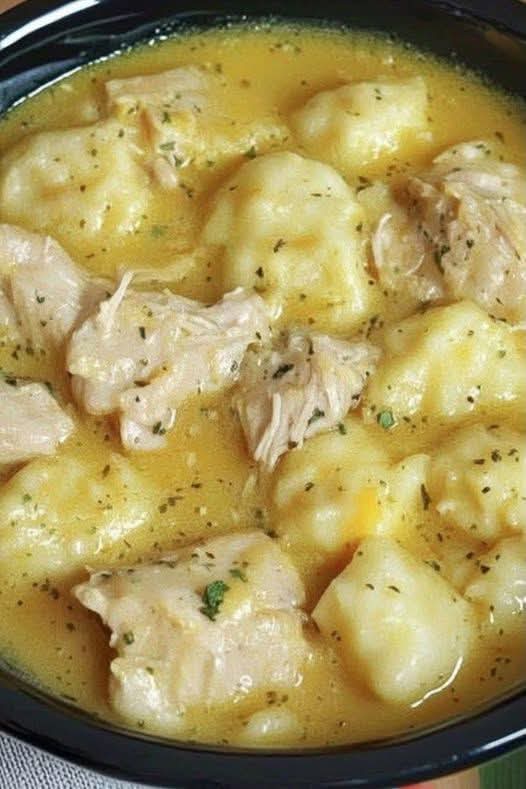
The Ultimate Guide to Classic Homemade Chicken and Dumplings A Comfort Food Masterpiece
Few dishes evoke the warmth, nostalgia, and pure satisfaction of a steaming bowl of classic homemade chicken and dumplings. This timeless culinary staple has graced family dinner tables for generations, serving as the quintessential remedy for chilly winter evenings, rainy afternoons, or any moment that calls for a deeply nourishing and heartwarming meal. A beautiful marriage of tender, shredded chicken, rich and velvety savory broth, and pillowy soft dough, this dish represents the pinnacle of traditional home cooking. It is a recipe that transcends simple sustenance, transforming basic, wholesome ingredients from the kitchen and garden into an extraordinary culinary experience that connects us to a rich heritage of scratch cooking. In this comprehensive guide, we will explore the fascinating history of this beloved comfort food, delve deep into the essential ingredients that give it its signature flavor profile, and walk you through a foolproof, step-by-step method to recreate this masterpiece in your own kitchen. Whether you prefer light, airy drop dumplings or dense, chewy rolled dough, you will find everything you need to master this classic dish and create lasting memories around your dinner table.
The Rich History and Cultural Heritage of Chicken and Dumplings
To truly appreciate a bowl of chicken and dumplings, it helps to understand its origins as a dish born out of resourcefulness, creativity, and necessity. The concept of cooking dough in a simmering broth spans across countless cultures worldwide, from Italian gnocchi and Central European spaetzle to Asian wontons and filled pastries. However, the specific iteration known as chicken and dumplings holds a unique and treasured place in Anglo-American and Southern culinary traditions, evolving significantly over the centuries.
From Humble Beginnings to a Southern Staple
Historically, dumplings were initially used as a clever culinary technique to stretch scarce meat supplies during times of economic hardship. By adding simple, inexpensive dough made of flour, fat, and liquid to a simmering pot of broth, home cooks could satisfy a large family with only a small portion of poultry or meat. During the Great Depression and the early plantation eras in the American South, this practice became a vital art form, transforming what could have been a thin, uninspiring chicken soup into a thick, rib-sticking stew capable of sustaining hard-working families through difficult times. Over the decades, as ingredients became more accessible, the dish transitioned from a humble survival meal into a celebrated comfort food, earning a permanent spot in the pantheon of traditional culinary arts.
The Great Culinary Debate: Drop Dumplings vs. Rolled Dumplings
As chicken and dumplings spread across different regions, a friendly but passionate division arose among home cooks regarding the correct texture and shape of the dough. This debate centers around two main varieties: drop dumplings and rolled dumplings. Drop dumplings, which are more common in northern regions, utilize a wetter, biscuit-like batter that is spooned directly into the boiling broth. As they steam under a closed lid, they puff up into light, airy, cloud-like rounds with a texture reminiscent of soft biscuits. On the other hand, rolled dumplings, frequently referred to as “pastry-style” or Southern-style dumplings, require a stiffer dough that is rolled out flat on a floured surface and cut into strips or squares. These are dropped into the pot and cooked until they become dense, chewy, and flat, closely resembling thick, rustic noodles. This variation also releases more starch into the pot, naturally thickening the broth into a luxurious, gravy-like consistency. Both styles have their devoted enthusiasts, and choosing between them depends entirely on your personal texture preferences and family traditions.
Deconstructing the Ultimate Flavor Profile: Essential Ingredients
Creating a restaurant-quality chicken and dumplings dish at home requires careful selection of foundational ingredients. Because the recipe relies on simple components, the quality of each element plays a critical role in the final flavor and texture. By combining elements from the butcher block with fresh, aromatic additions straight from the garden, you can build a multi-layered profile that tastes incredibly sophisticated yet fundamentally comforting.
Choosing the Perfect Cut of Poultry
The foundation of any exceptional chicken and dumplings recipe begins with the bird itself. While it is entirely possible to use convenient, pre-cooked rotisserie chicken or lean chicken breasts, using bone-in, skin-on chicken pieces—such as whole chickens, thighs, or drumsticks—yields a vastly superior result. Cooking the chicken on the bone releases essential gelatin, marrow, and deep flavors into the liquid, creating a naturally rich and full-bodied stock that simply cannot be replicated by store-bought broths. Chicken thighs are particularly favored by culinary enthusiasts because their dark meat remains incredibly tender, juicy, and flavorful throughout the long simmering process, ensuring that every bite of poultry in your bowl is succulent rather than dry and stringy.
The Garden Aromatics: Building the Mirepoix
A truly spectacular broth owes its complexity to a classic French flavor foundation known as a mirepoix. This traditional blend consists of diced onions, carrots, and celery cooked gently in butter or oil until soft and translucent. As these garden vegetables sweat, they release their natural sugars and essential oils, providing a sweet, earthy, and aromatic base that cuts through the richness of the chicken fat. In addition to providing depth of flavor, the vibrant orange of the carrots and the soft green of the celery add a beautiful visual appeal to the dish, contrasting elegantly against the golden-yellow hue of the broth and the creamy white of the dough.
Enhancing the Broth with Fresh Garden Herbs
To elevate your chicken and dumplings from a standard home-cooked meal to an artisanal masterpiece, incorporating fresh herbs from your garden or local market is absolutely essential. Herbs introduce bright, clean notes that balance the heavy, savory qualities of the stew. Fresh thyme, bay leaves, and a touch of rosemary are ideal choices to simmer alongside the chicken, infusing the liquid with woodsy, floral, and earthy aromas. To finish the dish, a generous handful of finely chopped flat-leaf parsley added just before serving provides a burst of fresh color and a crisp, clean flavor that cuts through the velvet richness of the gravy, tying the entire flavor profile together seamlessly.
Step-by-Step Culinary Guide to Perfect Chicken and Dumplings
Now that we understand the history and the essential ingredients, let us walk through the precise culinary process of bringing this comforting masterpiece to life. This recipe balances the rich flavor of a homemade bone-in stock with the effortless preparation of airy, light drop dumplings, offering the best of both worlds for a deeply satisfying family meal.
Step 1: Searing the Chicken and Sweeting the Garden Vegetables
Begin by selecting a large, heavy-bottomed Dutch oven or stockpot, which provides even heat distribution and plenty of room for your dumplings to expand. Heat two tablespoons of unsalted butter or a high-quality cooking oil over medium-high heat. Season your bone-in, skin-on chicken pieces generously with sea salt and freshly cracked black pepper. Place the chicken skin-side down in the hot pot, allowing it to sear until the skin turns a deep, golden brown and releases easily from the bottom of the pan, which usually takes about five to seven minutes. Flip the pieces over and sear the other side for another four minutes. This searing process creates a beautiful fond—those caramelized bits stuck to the bottom of the pot—which is pure flavor gold. Remove the chicken from the pot and set it aside on a plate, leaving the rendered fat behind. Lower the heat to medium and add one large finely diced onion, three medium carrots sliced into coins, and three stalks of celery sliced into bite-sized pieces. Cook the vegetables for about five to eight minutes, using a wooden spoon to scrape up the browned bits from the bottom of the pot, until the onions are soft and fragrant.
Step 2: Simmering the Rich, Golden Broth
Once your garden vegetables have softened, add three minced cloves of garlic and cook for one additional minute until fragrant. Pour in six cups of high-quality chicken stock or filtered water, ensuring that the liquid completely covers the vegetables. Return the seared chicken pieces and any collected juices back into the pot. Tie together a few sprigs of fresh thyme, a sprig of rosemary, and two bay leaves with kitchen twine, and drop this herb bouquet into the liquid. Bring the entire mixture to a gentle boil over high heat, then immediately reduce the heat to low, cover the pot with a tight-fitting lid, and allow it to simmer gently for approximately thirty-five to forty-five minutes. You will know it is ready when the chicken meat is incredibly tender and pulls away effortlessly from the bone.
Step 3: Shredding the Chicken and Refining the Liquid
Carefully remove the cooked chicken pieces from the simmering pot and place them on a clean cutting board to cool slightly. Turn off the heat under the pot for a moment and fish out the herb bundle and bay leaves, discarding them as they have fully released their essential oils into the broth. Once the chicken is cool enough to handle, remove and discard the skin and bones. Use two forks to shred the tender meat into rustic, bite-sized pieces. Return the shredded chicken back to the pot. At this stage, taste your broth and adjust the seasoning with additional salt, pepper, or a splash of fresh lemon juice if desired. If you prefer a slightly thicker gravy base before adding the dough, you can create a simple slurry by whisking two tablespoons of all-purpose flour or cornstarch into a quarter cup of cold water or heavy cream, then stirring it into the simmering broth until it thickens elegantly.
Step 4: Crafting the Perfect Fluffy Drop Dumpling Batter
While your chicken and broth are gently holding at a bare simmer, it is time to prepare the star of the show: the dumpling dough. In a large mixing bowl, whisk together two cups of unbleached all-purpose flour, one tablespoon of baking powder, half a teaspoon of baking soda, and one teaspoon of fine sea salt. If you like, add a tablespoon of finely chopped fresh parsley or chives directly into the dry mixture for a beautiful speckled appearance. Melt four tablespoons of unsalted butter and let it cool slightly. Pour the melted butter along with three-quarters of a cup of cold whole buttermilk into the dry ingredients. Use a wooden spoon or a rubber spatula to gently fold the ingredients together just until a soft, sticky dough forms. It is absolutely crucial not to overmix the batter at this stage; overworking the flour activates the gluten, which will result in tough, dense, gummy dumplings instead of the light, cloud-like texture we want to achieve.
Step 5: Cooking the Dumplings to Soft Perfection
Bring your chicken and vegetable broth back up to a steady, gentle simmer over medium-low heat. Using a cookie scoop, a small ice cream scoop, or two spoons, drop rounded tablespoons of the sticky dough directly onto the surface of the simmering liquid, spacing them out as evenly as possible. The dumplings will initially float on top of the broth. Once all the dough is dropped into the pot, reduce the heat to low and cover the pot with a heavy, tight-fitting lid. It is imperative that you resist the temptation to lift the lid during the cooking process. Leaving the lid firmly closed traps the steam inside the pot, which is exactly what cooks the dough through and causes it to puff up beautifully. Allow the dumplings to steam undisturbed for a full fifteen minutes. After fifteen minutes, remove the lid; the dumplings should be nearly doubled in size, plump, and firm to a gentle touch. Insert a toothpick into the center of one dumpling; if it comes out clean, your culinary masterpiece is complete.
Expert Variations and Customizations for Every Kitchen
One of the most wonderful aspects of mastering homemade chicken and dumplings is the ease with which the dish can be adapted to suit different seasonal ingredients, dietary preferences, or regional culinary styles. Once you have perfected the foundational technique, you can easily experiment with various additions to make the recipe completely your own.
The Seasonal Garden Twist: Incorporating Bright Green Peas and Corn
While the traditional mirepoix of carrots, celery, and onions provides an exceptional baseline, many home cooks enjoy introducing additional seasonal garden vegetables to add layers of color, texture, and sweetness. Adding a cup of sweet green peas, sweet corn kernels, or even sliced leeks during the final ten minutes of simmering can completely transform the visual presentation of the bowl. Green peas, in particular, offer a beautiful pop of emerald green that contrasts gorgeously against the rich creaminess of the broth and dough, while corn brings a delightful, crisp texture and subtle sweetness that complements the savory chicken beautifully.
Creating a Richer, Creamier Gravy Base
If your personal preference leans toward a highly luxurious, velvety sauce rather than a traditional clear broth, you can easily modify the liquid base to achieve a cream-style chicken and dumplings. To do this, simply stir in half a cup to a full cup of heavy whipping cream, half-and-half, or whole milk along with your shredded chicken just before dropping the dough into the pot. The dairy integrates beautifully with the starches released by the cooking dough, transforming the cooking liquid into a rich, decadent gravy that coats the back of a spoon and provides an incredibly indulgent eating experience.
Mastering the Art: Troubleshooting Common Dumpling Pitfalls
Even experienced home cooks can occasionally run into challenges when preparing dough from scratch. Understanding the science behind how the ingredients interact can help you troubleshoot issues easily and ensure perfect results every single time you cook.
Why Did My Dumplings Dissolve or Break Apart?
If you have ever opened your pot only to find that your dough has completely dissolved into the broth, leaving behind a thick sludge, the culprit is almost always the temperature of your liquid. For drop dumplings to hold their structure, the broth must be at a gentle, steady simmer—not a rolling, violent boil, and not a lukewarm temperature. If the broth is boiling too aggressively, the turbulent motion of the water will mechanically break the delicate dough apart before the baking powder has a chance to react and set the structure. Conversely, if the liquid is not hot enough, the dough will absorb water rather than steam, causing it to disintegrate. Ensure your pot shows gentle, small bubbles breaking the surface before adding the dough.
How to Avoid Dense, Heavy, or Gummy Dough
On the opposite end of the spectrum, if your dumplings turn out dense, heavy, or raw in the center, it is typically caused by overmixing the batter or lifting the lid too early. As mentioned previously, overmixing develops the gluten network in the flour, turning a light dough into a tough, elastic substance. Mix your wet and dry ingredients just until they come together. Furthermore, lifting the lid to peek during the fifteen-minute steaming window releases the trapped heat and moisture necessary to cook the center of the dough, causing them to collapse and become gummy. Trust the process, keep the lid securely closed, and let the steam do its magical work.
Conclusion: The Ultimate Reward of From-Scratch Comfort Food
There is an undeniable magic in preparing a traditional meal like homemade chicken and dumplings entirely from scratch. By taking simple, wholesome ingredients—tender poultry, fresh garden aromatics, earthy herbs, and a basic pantry dough—and combining them with patience and care, you create a dish that is far greater than the sum of its parts. It is a meal that nourishes the body, warms the soul, and brings a profound sense of comfort to anyone fortunate enough to pull up a chair at your table. Armed with the historical context, ingredient insights, step-by-step techniques, and troubleshooting wisdom provided in this guide, you are fully equipped to master this timeless culinary art. Gather your fresh herbs, dust your countertop with flour, and enjoy the beautiful process of crafting the ultimate bowl of comfort food for your loved ones tonight.