Pineapple Peel and Clove Tea: A Simple Homemade Drink Recipe
If you usually throw away pineapple peels after cutting a fresh pineapple, you may want to save them for this simple homemade pineapple peel and clove drink. Made by simmering pineapple peel with aromatic cloves, this comforting beverage has a naturally fruity, warm, and slightly spicy flavor. It is an easy way to make use of parts of the fruit that would otherwise go to waste.
Pineapple peel tea with cloves has become popular in homemade drink and traditional-remedy circles, but it is important to separate culinary tradition from medical claims. This drink can be enjoyed as a flavorful infusion, but it should not be considered a proven treatment for high blood pressure, weight loss, infections, or other medical conditions.
The recipe itself is wonderfully simple. You need pineapple peel, cloves, water, and optionally a few additional spices or a small amount of sweetener. Once simmered, the water takes on a golden color and a fragrant aroma from the pineapple and cloves.
Whether you are interested in reducing food waste, experimenting with homemade herbal-style drinks, or simply looking for something different to sip warm or chilled, this pineapple peel and clove recipe is worth trying.
What Is Pineapple Peel and Clove Tea?
Pineapple peel and clove tea is a homemade infusion prepared by simmering cleaned pineapple peel in water with whole cloves. The heat extracts flavor and aroma from the ingredients, producing a lightly sweet, fruity drink with a warm spice note.
The drink is not really a traditional tea in the same way as black tea or green tea because it does not contain tea leaves. Instead, it is closer to a fruit-and-spice infusion.
The pineapple provides a tropical aroma and mild fruity character, while cloves contribute a strong, warming flavor. Together, they create a surprisingly flavorful beverage from ingredients that are often discarded.
Why Make a Drink With Pineapple Peels?
One of the biggest reasons to make pineapple peel tea is simple: reducing food waste. Pineapple peel is commonly discarded after the edible fruit has been removed, but thoroughly cleaned peel can be used to infuse water with flavor.
Using the peel can also make your pineapple go a little further. Instead of treating the peel as something that immediately belongs in the trash or compost, you can use it for a homemade drink before disposing of it.
The process is inexpensive and requires very little preparation. If you already have a fresh pineapple in your kitchen, you may only need to add a few cloves.
Ingredients for Pineapple Peel and Clove Tea
Pineapple Peel
You will need the peel from one fresh pineapple. Before using it, wash the pineapple thoroughly under running water and scrub the exterior gently to remove dirt and debris.
Because the peel is not usually eaten directly, cleaning is particularly important.
You do not need to use every small piece of peel. The outer skin and some of the tougher portions around the fruit can be used for the infusion.
Whole Cloves
Whole cloves provide the signature warm, spicy aroma. Cloves have a powerful flavor, so you do not need a large quantity.
Start with a modest amount and adjust the recipe according to your taste. Using too many cloves can make the drink intensely spicy or bitter.
Water
Use clean drinking water as the base. The amount of water can be adjusted depending on how concentrated you want the finished drink.
Optional Ingredients
You can customize the drink with ingredients such as cinnamon sticks, fresh ginger, lemon slices, mint, or a small amount of honey.
Keep optional additions simple so they do not overpower the pineapple and clove combination.
How to Make Pineapple Peel and Clove Tea
Step 1: Wash the Pineapple Thoroughly
Before cutting the pineapple, rinse the entire fruit under cool running water. Gently scrub the outside to remove visible dirt.
Dry it with a clean towel before cutting.
Since the peel is going into your cooking pot, taking time to clean it properly is an important part of the preparation.
Step 2: Remove the Peel
Cut the pineapple and remove the edible fruit. Set the peel aside for the infusion.
You can include some of the tougher sections near the core, but avoid pieces that are excessively dirty or damaged.
Step 3: Add the Ingredients to a Pot
Place the cleaned pineapple peel into a large saucepan or pot. Add the whole cloves and enough water to cover the peel generously.
If you want additional flavor, add a cinnamon stick or a few thin slices of fresh ginger.
Step 4: Bring to a Boil
Place the pot over medium-high heat and bring the water to a boil.
Once it begins boiling, reduce the heat to a gentle simmer. A hard boil is not necessary and may cause excessive evaporation.
Step 5: Simmer
Allow the pineapple peel and cloves to simmer for approximately 20 to 30 minutes.
As the ingredients cook, the water should become fragrant and develop a light golden color.
The longer you simmer the infusion, the stronger the flavor will become, so adjust the cooking time according to your preference.
Step 6: Strain the Drink
Turn off the heat and carefully strain the liquid through a fine-mesh strainer.
Discard the pineapple peel and cloves after straining.
Be careful when handling the hot liquid, especially if you are transferring it to another container.
Step 7: Serve Warm or Chill
The finished infusion can be served warm, especially on a cool morning or evening.
For a refreshing drink, allow it to cool and refrigerate it before serving over ice.
A small squeeze of lemon can brighten the flavor, while a little honey can add sweetness if desired.
What Does Pineapple Peel and Clove Tea Taste Like?
The flavor is fruity, aromatic, and gently spicy. Pineapple peel provides a subtle tropical character, although the drink is generally less sweet and intense than pineapple juice.
Cloves add a distinctive warm spice flavor that can become quite strong if too many are used.
If you prefer a lighter drink, use fewer cloves and simmer for a shorter period. If you enjoy stronger spice flavors, you can increase the cloves slightly or add cinnamon and ginger.
For a refreshing variation, chill the finished infusion and serve it with lemon and ice.
Pineapple Peel and Clove Tea Benefits: What Should You Know?
You may see claims online suggesting that boiling pineapple peel with cloves can treat a wide range of health problems. These claims should be approached carefully.
Pineapple contains nutrients and naturally occurring plant compounds, while cloves contain aromatic compounds such as eugenol. However, preparing a homemade pineapple-peel infusion does not mean it has been scientifically proven to treat diseases or replace medical care.
This drink can certainly be part of a varied diet as a flavorful beverage, but claims that it specifically cures high blood pressure, melts body fat, treats infections, or detoxifies the body should not be presented as established medical facts.
If you have a medical condition or take medication, particularly medication that affects blood clotting or blood sugar, it is wise to ask a healthcare professional before regularly consuming concentrated herbal or spice preparations.
Is Pineapple Peel Tea Good for You?
Pineapple peel tea can be an enjoyable low-calorie beverage when prepared without large amounts of added sugar. Using the peel also provides a practical way to reduce food waste.
However, the nutritional composition of homemade pineapple peel tea can vary considerably depending on the amount of peel, cooking time, and preparation method. It should not be treated as a nutritional supplement or medicinal preparation.
For everyday hydration, plain water remains an excellent choice. This infusion can simply be another flavorful option when you want something different.
Can You Drink Pineapple Peel and Clove Tea Every Day?
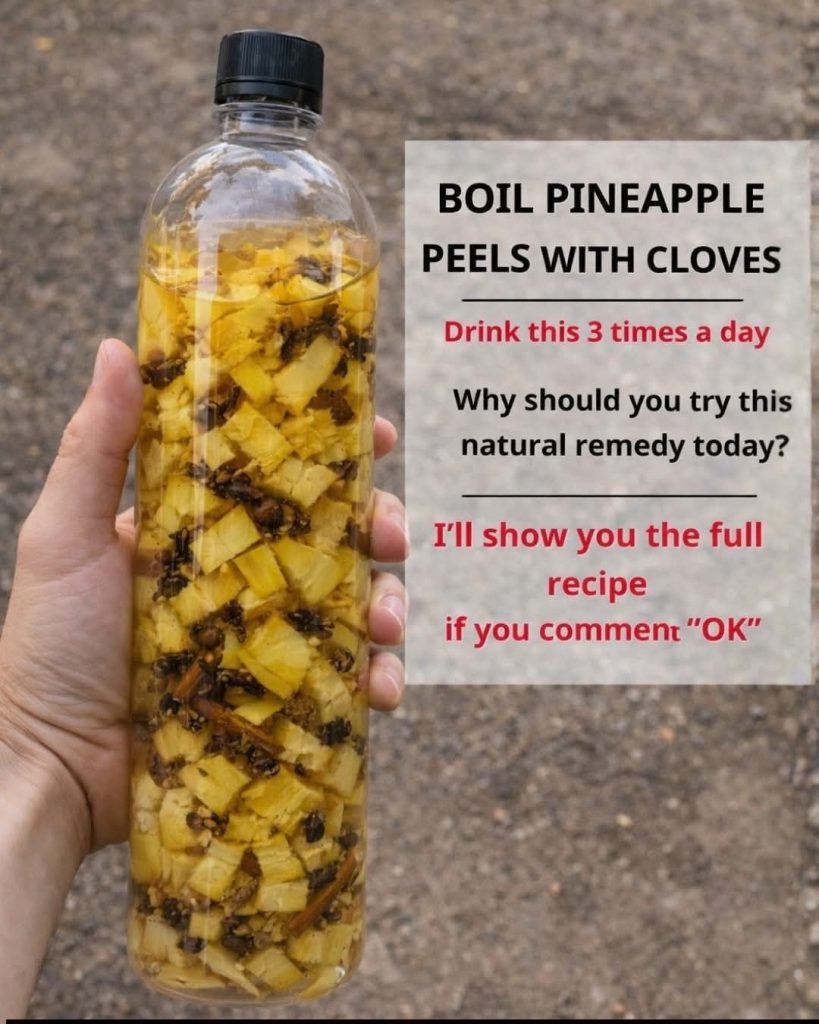
There is no need to drink this particular infusion multiple times a day to enjoy it. The image associated with this recipe suggests drinking it three times daily, but that frequency should not be treated as a medically established recommendation.
If you enjoy the flavor, you can have a reasonable serving as part of your normal beverage choices. People with allergies, digestive sensitivities, medication interactions, or specific health conditions should discuss regular consumption with a qualified healthcare professional.
As with many concentrated homemade drinks, moderation is sensible.
How to Make the Flavor More Delicious
Add Cinnamon
A cinnamon stick adds a naturally warm aroma that pairs beautifully with cloves and pineapple.
Use a whole cinnamon stick rather than a large amount of powdered cinnamon, which can make the drink cloudy and gritty.
Add Fresh Ginger
Fresh ginger creates a bright, spicy flavor. Slice a small piece of peeled ginger and simmer it along with the pineapple peel.
Ginger can easily dominate the drink, so start with a small amount.
Add Lemon
Fresh lemon juice is especially good when serving the drink cold. Add it after the infusion has cooled slightly to preserve its fresh citrus flavor.
Add Mint
Fresh mint can transform the drink into a refreshing summer beverage. Add a few leaves after the drink has cooled, or use mint as a garnish when serving.
Sweeten Lightly
If you prefer a sweeter drink, add a small amount of honey or another sweetener after cooking.
Remember that pineapple peel infusion is naturally much less sweet than pineapple juice, so it may taste quite different from what you expect.
Warm vs. Cold Pineapple Peel Tea
One of the best things about this recipe is that it can be served in two completely different ways.
For a cozy drink, serve the infusion warm in a mug. The aroma of cloves and pineapple becomes especially noticeable when the drink is hot.
For a refreshing beverage, allow it to cool completely and refrigerate it. Pour it over ice and add lemon or mint.
You can even prepare a larger batch and keep it chilled for convenient serving.
How to Store Homemade Pineapple Peel Tea
Allow the finished drink to cool before transferring it to a clean, covered container. Refrigerate it promptly.
Because this is a homemade beverage without commercial preservatives, it should be treated as a perishable food. Keep it refrigerated and discard it if it develops an unusual smell, appearance, or flavor.
For the best taste, make smaller batches that can be consumed while fresh rather than storing the infusion for an extended period.
Can You Use Pineapple Scraps Instead of Peel?
Yes. Clean pineapple scraps can also be used to make a fruit infusion.
Small pieces of core, trimmed sections, and peel can all contribute flavor. The key is to wash the pineapple thoroughly before preparing the scraps.
The core is much firmer than the fruit, but simmering helps extract some of its flavor.
Can You Use Canned Pineapple?
Fresh pineapple is preferable for this particular recipe because you are specifically using the peel. Canned pineapple generally does not provide the same type of peel.
If you only have canned pineapple, you can make a separate pineapple-spice drink using the fruit and its juice, but it will be a different recipe.
Common Mistakes to Avoid
Not Cleaning the Peel
The peel should always be washed thoroughly before simmering. This is one of the most important preparation steps.
Using Too Many Cloves
Cloves have a very concentrated flavor. Adding a large amount can make the infusion unpleasantly strong.
Start small and adjust future batches based on your preference.
Boiling Too Aggressively
A gentle simmer is sufficient. Extremely vigorous boiling can reduce the liquid quickly and produce a more concentrated flavor than intended.
Adding Too Much Sweetener
If you are using honey or another sweetener, add it gradually. The goal is to complement the pineapple and spices rather than turn the drink into a sugary beverage.
Treating the Drink Like Medicine
This is a flavorful homemade infusion, not a replacement for prescribed medication or medical treatment. Avoid relying on social-media claims about guaranteed health effects.
Pineapple Peel and Clove Tea Recipe
Ingredients
- Peel from 1 fresh pineapple, thoroughly washed
- 4 to 6 whole cloves
- 6 to 8 cups water
- 1 cinnamon stick, optional
- A few slices of fresh ginger, optional
- Fresh lemon juice, optional
- Honey or another sweetener, optional
Instructions
- Wash the pineapple thoroughly before cutting it.
- Remove the peel and place the clean peel into a large saucepan.
- Add 4 to 6 whole cloves and 6 to 8 cups of water.
- Add cinnamon or ginger if desired.
- Bring the mixture to a boil over medium-high heat.
- Reduce the heat and gently simmer for 20 to 30 minutes.
- Turn off the heat and carefully strain the liquid.
- Taste and adjust the flavor with lemon or a small amount of honey if desired.
- Serve warm or allow the infusion to cool and refrigerate it.
- Serve over ice with lemon or mint for a refreshing version.
Frequently Asked Questions
What is pineapple peel and clove tea used for?
It is primarily enjoyed as a homemade fruit-and-spice infusion. Online sources sometimes promote it for various health purposes, but those medicinal claims should not be assumed to be scientifically established.
Can I drink pineapple peel tea cold?
Yes. After straining and cooling the infusion, refrigerate it and serve it over ice. Lemon and fresh mint make excellent additions.
How many cloves should I use?
For a mild batch, start with around 4 to 6 whole cloves for several cups of water. You can adjust the amount in future batches depending on how strong you like the flavor.
Can I add ginger?
Yes. Fresh ginger pairs very well with pineapple and cloves. A few thin slices are usually enough to add noticeable flavor.
Does pineapple peel tea taste sweet?
Not usually. The infusion has a mild fruity flavor rather than the intense sweetness of pineapple juice. You can add a little honey if you prefer.
Can I use the pineapple after making the tea?
The peel and scraps will have released much of their flavor into the water, so they are generally discarded after straining. The edible pineapple fruit should be enjoyed separately.
Is this a detox drink?
It is better described as a homemade fruit-and-spice infusion. The body already has natural systems for processing and eliminating waste, and there is not enough evidence to describe this specific drink as a detox treatment.
Final Thoughts
Pineapple Peel and Clove Tea is a simple, aromatic homemade drink that gives pineapple scraps a second use. With just cleaned pineapple peel, whole cloves, and water, you can create a warm, fragrant infusion that can be enjoyed on its own or customized with cinnamon, ginger, lemon, or mint.
The recipe is inexpensive, easy to prepare, and particularly appealing if you enjoy traditional-style homemade beverages or want to reduce kitchen waste. It can be served warm during cooler weather or chilled over ice when you want something refreshing.
While social media often presents pineapple peel and clove drinks as powerful natural remedies, it is important to enjoy this recipe for what it is: a flavorful homemade infusion rather than a proven treatment for medical conditions. If you have a health condition or take medications, consult a healthcare professional before making concentrated herbal or spice drinks part of your regular routine.
For a delicious everyday version, keep the recipe simple, use thoroughly cleaned pineapple peel, start with a modest amount of cloves, and adjust the flavor to your liking. Once you try this easy pineapple peel and clove infusion, you may find yourself saving your pineapple peels instead of throwing them away.