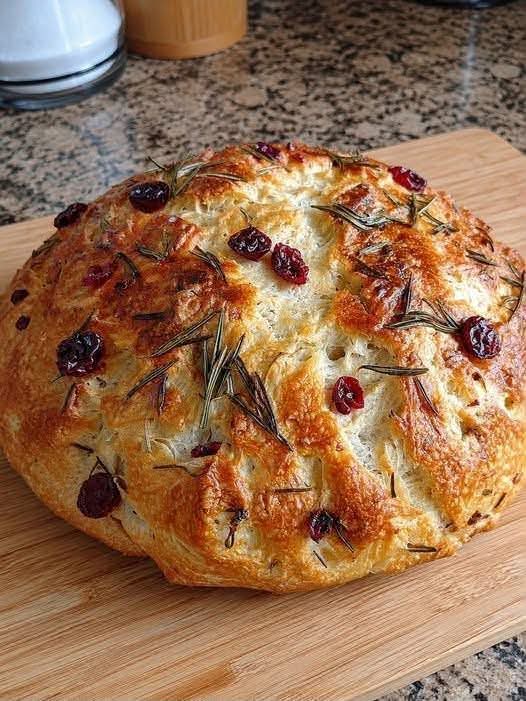
Rosemary Cranberry Focaccia Bread Recipe
There is something irresistible about homemade focaccia. The golden, crispy edges, airy center, fragrant olive oil, and beautifully browned surface make it one of the most satisfying breads to bake at home. This Rosemary Cranberry Focaccia takes that classic Italian-inspired bread and gives it a delicious sweet-and-savory twist with fresh rosemary and tart dried cranberries.
The combination might sound simple, but it creates an incredible contrast of flavors. The rosemary brings a savory, earthy aroma, while the cranberries add little bursts of sweet-tart flavor throughout the soft, chewy bread. A generous drizzle of olive oil helps create the signature crisp crust that makes focaccia so special.
This easy homemade focaccia recipe is perfect for beginners because the dough does not require complicated shaping or advanced bread-making skills. Once the dough has risen, you simply transfer it to an oiled baking pan, gently stretch it out, create the classic dimples with your fingertips, add your rosemary and cranberries, and bake until beautifully golden.
Whether you serve it alongside soup, salad, pasta, roasted chicken, or enjoy a warm slice with butter, this rosemary cranberry focaccia is a homemade bread recipe you will want to make again.
Why You’ll Love This Rosemary Cranberry Focaccia
This homemade focaccia has everything you want in a simple bread recipe. The outside becomes golden and lightly crisp, while the inside stays soft, fluffy, and pleasantly chewy. Olive oil adds richness, and rosemary gives the bread a wonderfully fragrant flavor.
The dried cranberries make this version especially interesting. Their natural sweetness works beautifully with the savory rosemary and salty olive oil. Every bite has a slightly different combination of flavors.
Another reason to love this recipe is its versatility. You can serve it as an appetizer, side dish, snack, sandwich bread, or addition to a holiday dinner. It also looks beautiful on a serving board, making it a great choice when entertaining.
What Is Focaccia?
Focaccia is a flat, oven-baked yeast bread traditionally associated with Italian cuisine. It is known for its soft interior, olive-oil-rich dough, golden crust, and characteristic dimples across the surface.
Unlike a traditional loaf of bread, focaccia is usually baked in a shallow pan. The dough is spread across the pan and pressed with fingertips before baking. These little indentations are more than decorative—they help hold olive oil, herbs, salt, and other toppings.
Focaccia can be made with a wide variety of toppings. Garlic, rosemary, olives, tomatoes, onions, cheese, and herbs are popular choices. This recipe adds dried cranberries for a slightly sweet variation.
Ingredients for Rosemary Cranberry Focaccia
The ingredients for this focaccia are simple and easy to find.
All-Purpose or Bread Flour
Flour provides the structure for the dough. Bread flour can produce a particularly chewy texture, while all-purpose flour works very well for homemade focaccia.
Yeast
Yeast is responsible for helping the dough rise and creating the light, airy texture associated with good focaccia. Active dry yeast or instant yeast can be used depending on what you have available.
Warm Water
Warm water helps activate the yeast and brings the dough together. The water should feel warm rather than hot.
Olive Oil
Olive oil is one of the defining ingredients in focaccia. It adds flavor to the dough, helps prevent sticking, and contributes to the crisp, golden crust.
Salt
Salt enhances the flavor of the bread and balances the sweetness of the cranberries.
Dried Cranberries
Dried cranberries add a pleasantly sweet and tart flavor. They also give the finished focaccia a beautiful appearance with colorful pieces scattered across the golden surface.
Fresh Rosemary
Fresh rosemary provides a fragrant herbal flavor that pairs wonderfully with both olive oil and cranberries.
How to Make Rosemary Cranberry Focaccia
Making homemade focaccia is easier than many people expect. The most important part is giving the dough enough time to rise.
Step 1: Prepare the Dough
Begin by combining the warm water and yeast in a large mixing bowl. Allow it to sit briefly so the yeast can begin activating.
Add the flour, salt, and a portion of the olive oil. Stir until a sticky dough begins to form. Focaccia dough is supposed to be wetter and stickier than many traditional bread doughs, so resist the temptation to add too much extra flour.
Once the ingredients have come together, knead the dough gently until it becomes smoother and elastic. You can knead by hand or use a stand mixer fitted with a dough hook.
Step 2: Let the Dough Rise
Transfer the dough to a lightly oiled bowl and turn it once so the surface is coated with oil. Cover the bowl and place it somewhere warm.
Allow the dough to rise until it has noticeably increased in size. Depending on the temperature of your kitchen and the yeast used, this can take approximately one to two hours.
The dough does not need to double perfectly, but it should look puffy and airy.
Step 3: Prepare the Baking Pan
Generously coat a baking pan with olive oil. Focaccia loves olive oil, and using enough oil helps prevent sticking while also creating those delicious crispy edges.
Pour or transfer the risen dough into the prepared pan. Gently stretch it toward the corners. If the dough resists, let it rest for a few minutes and try again rather than forcing it.
Step 4: Give the Dough a Second Rise
Once the dough is spread into the pan, cover it loosely and let it rest again. This second rise helps create the light, airy texture that makes focaccia so delicious.
The dough should become noticeably puffy before baking.
Step 5: Create the Signature Focaccia Dimples
This is one of the most enjoyable parts of making focaccia.
Drizzle olive oil generously over the surface of the dough. Using your fingertips, gently press straight down into the dough to create deep dimples across the entire surface.
Do not worry about making the dimples perfectly even. The rustic appearance is part of focaccia’s charm.
The indentations will hold little pools of olive oil and help create the characteristic texture of the finished bread.
Step 6: Add Rosemary and Cranberries
Scatter the dried cranberries across the dough. Follow with fresh rosemary leaves or small rosemary sprigs.
Press some of the toppings gently into the dough so they stay in place during baking. You can also add a final drizzle of olive oil and a light sprinkle of flaky salt.
For an especially beautiful presentation, distribute the cranberries and rosemary evenly across the surface.
Step 7: Bake the Focaccia
Place the pan in a fully preheated oven and bake until the focaccia is puffed and deeply golden brown.
The exact baking time will depend on the thickness of the dough and your oven, but you are looking for a rich golden crust with crisp edges.
The aroma of rosemary and olive oil will fill your kitchen as the bread bakes.
Step 8: Cool Before Slicing
Remove the focaccia from the oven and allow it to cool for several minutes. Brush or drizzle with a little additional olive oil if desired.
Although it can be difficult to resist, giving the bread a little time to cool makes it easier to slice and allows the interior to settle.
How to Get Soft and Fluffy Focaccia
The secret to fluffy focaccia is a combination of hydration, fermentation, and gentle handling.
Avoid adding too much flour. A sticky dough may seem difficult at first, but the moisture helps create the open, airy texture you want.
Give the dough enough time to rise. Rushing the fermentation can result in dense bread.
Another important step is to avoid aggressively flattening the dough after it has risen. You want to preserve the air bubbles created during fermentation.
Finally, use plenty of olive oil. Focaccia is not the place to be shy with olive oil. It contributes to both the texture and flavor of the bread.
How to Make Crispy Focaccia Edges
If you love crispy focaccia edges, coat the baking pan generously with olive oil before adding the dough.
The oil underneath the dough essentially helps the bottom and edges fry slightly as the bread bakes, creating a deliciously crisp crust.
A metal baking pan can also help encourage browning. Make sure your oven is fully preheated before baking and avoid opening the oven door repeatedly.
For an extra-crispy bottom, allow the focaccia to bake until the bottom is deeply golden before removing it from the oven.
Fresh Rosemary or Dried Rosemary?
Fresh rosemary is especially delicious in this recipe because it releases its fragrant oils as it bakes. It also creates the beautiful rustic appearance seen on the finished focaccia.
However, dried rosemary can be used if fresh rosemary is not available. Since dried herbs are more concentrated, use less than you would use of fresh rosemary.
You can also combine rosemary with thyme or oregano for a more complex herbal flavor.
Can You Use Fresh Cranberries?
This recipe is particularly suited to dried cranberries because they are naturally sweet and have a concentrated flavor. Fresh cranberries are much more tart and contain significantly more moisture.
If you want to experiment with fresh cranberries, consider using them sparingly and balancing their tartness with a slightly sweeter topping. Dried cranberries are the easiest option and provide the best texture for this particular focaccia.
Delicious Variations
Once you have made the basic rosemary cranberry focaccia, you can customize it in many ways.
Cranberry Orange Focaccia
Add a little finely grated orange zest to the dough or sprinkle it over the finished bread. Orange and cranberry are a classic combination, and the citrus adds brightness.
Cranberry Walnut Focaccia
Scatter chopped walnuts over the surface before baking. The crunchy nuts provide a wonderful contrast to the soft bread and chewy cranberries.
Rosemary Garlic Focaccia
Add thin slices of garlic or finely minced garlic along with the rosemary. Garlic brings extra savory depth to the bread.
Cranberry Parmesan Focaccia
Sprinkle finely grated Parmesan over the top during the final part of baking. The salty cheese creates a delicious contrast with the sweet cranberries.
Honey Rosemary Focaccia
A light drizzle of honey over the finished focaccia can emphasize the sweetness of the cranberries. Use just enough to complement the bread without making it overly sweet.
What to Serve With Rosemary Cranberry Focaccia
This bread is incredibly versatile and can accompany almost any meal.
Serve It With Soup
Warm focaccia is perfect alongside tomato soup, creamy vegetable soup, lentil soup, chicken soup, or a hearty stew. The bread is ideal for dipping into flavorful broth.
Pair It With Salad
Serve thick slices of focaccia with a fresh green salad for a simple lunch. The bread makes the meal more filling while the cranberries add a pleasant sweet contrast.
Serve With Pasta
Rosemary cranberry focaccia can be served alongside pasta dishes, especially creamy or savory recipes. Use it to soak up extra sauce from the plate.
Make Focaccia Sandwiches
Slice the focaccia horizontally and fill it with roasted vegetables, chicken, turkey, cheese, greens, or other favorite sandwich ingredients.
The slightly sweet cranberry flavor can be especially delicious with mild cheeses and roasted meats.
Add It to a Holiday Table
The combination of rosemary and cranberries makes this focaccia particularly attractive for Thanksgiving, Christmas, and other holiday meals. Its golden color and festive toppings make it look impressive without requiring complicated decoration.
Tips for Making the Best Homemade Focaccia
Don’t Add Too Much Flour
Sticky dough is normal. Adding excessive flour can produce dense, heavy bread instead of a light and airy focaccia.
Give the Dough Time
Good bread takes time. Allowing the dough to rise properly gives the yeast time to create flavor and air pockets.
Use Plenty of Olive Oil
Olive oil is essential for both flavor and texture. Coat the pan generously and drizzle the surface before creating the dimples.
Don’t Skip the Second Rise
The second rise helps the dough become lighter and puffier after it has been transferred to the baking pan.
Press Gently
When creating the dimples, use your fingertips rather than pressing the entire dough flat. The goal is to create indentations while keeping as much air in the dough as possible.
Watch the Cranberries
Dried cranberries contain natural sugars, so exposed pieces can brown quickly. If your cranberries begin to darken too much during baking, you can loosely cover the focaccia toward the end of the baking process.
Common Focaccia Mistakes to Avoid
One of the most common mistakes is using too much flour. Focaccia dough should be soft and somewhat sticky.
Another mistake is not allowing enough time for the dough to rise. If the dough looks dense and hasn’t become noticeably puffy, give it more time.
Using too little oil is another issue. The olive oil contributes significantly to focaccia’s classic texture and flavor.
Overloading the bread with toppings can also interfere with its rise and baking. Keep the toppings evenly distributed and avoid covering the entire surface with heavy ingredients.
Finally, avoid cutting the focaccia immediately after it comes out of the oven. A short cooling period helps the interior finish setting.
How to Store Rosemary Cranberry Focaccia
Homemade focaccia is best enjoyed fresh, preferably on the day it is baked. However, leftovers can be stored in an airtight container or tightly wrapped at room temperature for a short period.
If you want to keep it longer, refrigerating the bread is possible, although the refrigerator can cause bread to lose some of its softness.
For longer storage, freeze individual pieces in freezer-safe bags or containers. When ready to enjoy, thaw and warm the focaccia in the oven until heated through.
Reheating it in the oven helps bring back some of the crispness and soft texture.
Can You Freeze Focaccia?
Yes, focaccia freezes very well. Let the bread cool completely before freezing. Cut it into individual portions so you can remove only what you need.
Wrap the pieces well to protect them from freezer burn, then place them in a freezer-safe bag or container.
When you are ready to eat it, thaw the focaccia and warm it in a preheated oven. A few minutes of reheating can make the bread taste much closer to freshly baked.
Frequently Asked Questions
Why is my focaccia dense?
Dense focaccia is often caused by insufficient rising time, too much flour, old yeast, or handling the dough too aggressively after it has risen. Make sure the yeast is active and give the dough enough time to become puffy.
Why didn’t my focaccia rise?
The yeast may not have been active, the water may have been too hot or too cold, or the dough may have been kept in a very cool environment. Give the dough plenty of time in a warm, draft-free area.
How deep should focaccia dimples be?
Press your fingertips firmly enough to create noticeable indentations without completely flattening the dough. The dimples should be deep enough to hold olive oil and toppings.
Can I make focaccia the night before?
Yes. Focaccia can be prepared using a longer, slower fermentation method. Allowing the dough to rise in the refrigerator overnight can also develop additional flavor. Bring it out according to your chosen recipe method before baking.
Can I use other dried fruit?
Yes. Dried cherries, raisins, chopped dates, or dried apricots can create interesting variations. Keep in mind that each fruit will change the sweetness and texture of the bread.
What cheese goes well with cranberry focaccia?
Soft or mild cheeses such as goat cheese, Brie, cream cheese, or mozzarella can pair beautifully with cranberry focaccia. Sharp cheeses can also provide a delicious salty contrast.
Why Rosemary and Cranberry Work So Well Together
At first glance, rosemary and cranberry may seem like an unusual combination for bread, but they complement each other beautifully.
Rosemary has a savory, pine-like aroma that gives the focaccia depth. Cranberries bring sweetness and tartness, creating contrast against the salty olive oil and bread.
That balance makes the focaccia versatile enough to serve with both savory and sweet-leaning dishes. It can be enjoyed with dinner, turned into a sandwich, served on a snack board, or simply eaten warm on its own.
The visual contrast also makes this bread especially appealing. Golden-brown dough, green rosemary, and deep red cranberries create a rustic and festive appearance.
A Simple Homemade Bread Worth Making
There is a special satisfaction that comes from pulling a homemade loaf of bread from the oven. With focaccia, you get that experience without needing to shape a traditional loaf or master complicated bread techniques.
The dough is forgiving, the toppings are flexible, and the final result is impressive. The combination of crispy edges, a fluffy center, aromatic rosemary, and chewy cranberries makes every slice something to look forward to.
Whether you are new to baking bread or already enjoy making homemade loaves, this rosemary cranberry focaccia is an excellent recipe to add to your collection.
Final Thoughts
This Rosemary Cranberry Focaccia is a beautiful combination of rustic homemade bread, fragrant herbs, olive oil, and sweet-tart dried cranberries. It is easy enough for a casual weekend baking project but impressive enough for a holiday table or dinner with guests.
The key to great focaccia is giving the dough enough time to rise, using plenty of olive oil, and handling the dough gently. Once you master those basics, you can customize the recipe with different herbs, cheeses, vegetables, nuts, or dried fruits.
Serve this golden focaccia warm alongside soup, salad, pasta, or roasted meats, or enjoy a slice as a simple snack. With its crisp edges, soft center, fragrant rosemary, and bursts of cranberry, this homemade bread is a delicious way to turn a few simple ingredients into something truly special.