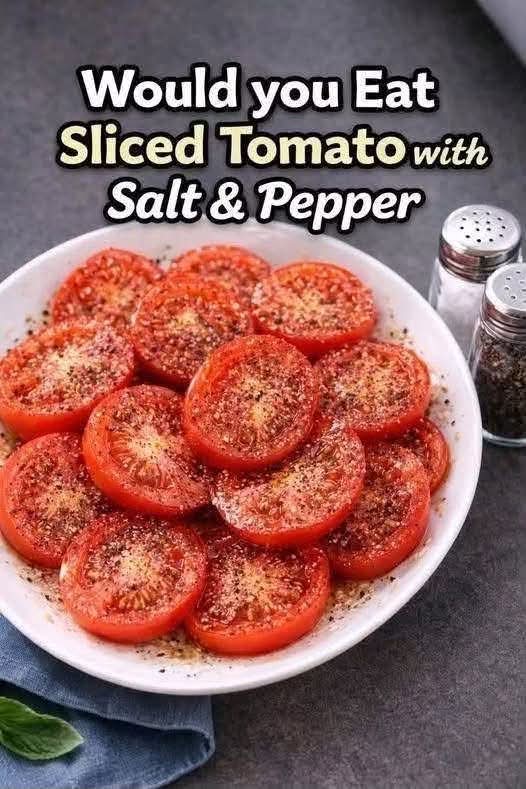
Sliced Tomatoes with Salt and Pepper The Ultimate Guide to a Simple Culinary Masterpiece
In a culinary world often dominated by complex techniques, molecular gastronomy, and multi-ingredient recipes, there is a profound beauty in returning to the basics. Few dishes exemplify this minimalist perfection better than a simple plate of sliced fresh tomatoes seasoned with salt and freshly cracked black pepper. While it may seem like an understated snack rather than a formal dish, this combination is a masterclass in flavor balance, food science, and seasonal eating. When prepared with high-quality ingredients at the peak of their freshness, this humble dish transforms into a gourmet experience that rivals the most elaborate appetizers.
The secret to this dish lies in the synergy of its three primary components. The tomato provides a sweet, acidic, and deeply savory umami base. The salt acts as a natural flavor enhancer, drawing out the tomato’s natural juices and intensifying its sweetness. The black pepper adds a subtle heat, a woodyspice aroma, and a textural contrast that cuts through the juicy sweetness of the fruit. Together, they create a sensory experience that is nostalgic, refreshing, and incredibly satisfying. Whether enjoyed as a quick summer lunch, a side dish for a backyard barbecue, or a simple appetizer before an elegant dinner, sliced tomatoes with salt and pepper represent the absolute peak of clean, ingredient-driven eating.
The Science of Flavor: Why Salt and Pepper Transform Tomatoes
To truly appreciate this simple dish, it helps to understand the underlying science of how these basic seasonings interact with the biological structure of a tomato. A tomato is not just a fruit; it is a complex vessel of water, natural sugars, acids, and volatile aromatic compounds. When you apply salt and pepper, you are triggering a series of chemical reactions that fundamentally alter the taste and texture of the fruit.
How Salt Enhances Tomato Sweetness and Reduces Bitterness
When salt is sprinkled onto a slice of tomato, it immediately begins to draw out moisture through a process called osmosis. The salt concentration on the surface of the tomato slice is much higher than the water concentration inside the plant cells. To balance this difference, water is pulled from the interior of the cells to the surface. This creates a glossy, glistening layer of tomato juice mixed with dissolved salt. As this moisture is drawn out, the volatile flavor compounds within the tomato become much more concentrated, leading to a more intense tomato flavor. Furthermore, sodium ions have a unique chemical relationship with our taste buds. Salt actively suppresses our perception of bitterness while simultaneously enhancing our perception of sweetness and acidity. This means that even a mediocre tomato can taste significantly sweeter and more vibrant with just a pinch of high-quality salt.
The Role of Freshly Cracked Black Pepper
Black pepper is much more than just a companion to salt; it is a powerful aromatic spice that contains an alkaloid called piperine. Piperine is responsible for the characteristic pungent heat of black pepper. When paired with tomatoes, this heat provides a brilliant contrast to the cool, refreshing nature of the raw fruit. Additionally, black pepper contains essential oils that release a woody, pine-like, and citrusy aroma when the peppercorn is cracked. These volatile oils stimulate our olfactory system, which plays a massive role in how we perceive flavor. The combination of piperine’s physical warmth on the tongue and the aromatic complexity of the pepper oils elevates the tomato from a simple refreshing bite to a multi-dimensional culinary experience.
Selecting the Perfect Tomatoes for Slicing
Because this dish relies on so few ingredients, there is nowhere for low-quality produce to hide. A mealy, flavorless, out-of-season tomato will not yield a delicious result, no matter how much premium salt you use. To make the ultimate plate of sliced tomatoes, you must select the right variety of tomato and ensure it is harvested and stored correctly.
Heirloom Tomatoes: The Gold Standard
If you want to experience the absolute peak of tomato flavor, look no further than heirloom varieties. Heirloom tomatoes are grown from seeds that have been passed down through generations of gardeners, selected specifically for their exceptional flavor, texture, and aroma rather than their shelf life or uniform appearance. They come in a breathtaking array of colors, from deep purple and green zebra stripes to bright orange and ruby red. Varieties like Brandywine, Cherokee Purple, and Mortgage Lifter offer a dense, meaty texture, low seed water, and an incredibly rich balance of sweet and tart flavors. Slicing an assortment of colorful heirloom tomatoes creates a visually stunning presentation that tastes as good as it looks.
Beefsteak Tomatoes: Juicy and Substantial
Beefsteak tomatoes are the classic choice for slicing. These large, heavy tomatoes are characterized by their ribbed exterior and dense flesh. They contain numerous small seed cavities, which means they hold their shape beautifully when sliced thick. A perfectly ripe beefsteak tomato is incredibly juicy, sweet, and mild in acidity, making it an excellent canvas for coarse sea salt and cracked pepper. Look for beefsteak tomatoes that feel heavy for their size and have a slight give when gently squeezed.
Roma and Plum Tomatoes: Dense and Meaty
While Roma or plum tomatoes are traditionally used for making sauces and pastes due to their low moisture content, they can also make a fantastic slicing tomato if you prefer a less juicy, firmer bite. Roma tomatoes have thick walls and very few seeds, resulting in clean, firm slices that are perfect for piling onto sandwiches or serving as a sturdy finger food. Because they are less sweet than heirlooms or beefsteaks, they benefit greatly from a generous seasoning of salt to help coax out their subtle flavors.
Cherry and Grape Tomatoes: Bite-Sized Sweetness
Though they cannot be sliced into large, dramatic rounds, cherry and grape tomatoes should not be overlooked. These small-format tomatoes are incredibly sweet and often have a higher concentration of sugars and acids than their larger counterparts. Slicing cherry tomatoes in half and tossing them gently with coarse salt and pepper makes for a quick, bright salad. The high skin-to-flesh ratio provides a delightful pop of texture in every single bite.
The Best Salts and Peppers to Elevate Your Dish
When a recipe consists of only three ingredients, every single component must be treated with respect. Moving beyond standard table salt and pre-ground black pepper will instantly elevate your sliced tomatoes from a casual snack to a restaurant-quality dish.
Choosing Your Salt: From Table Salt to Flaky Sea Salt
Standard iodized table salt has very small, uniform crystals that dissolve rapidly. While it is functional for baking, it is the worst choice for raw sliced tomatoes because it can easily make the dish taste harsh, metallic, and overly salty. Instead, opt for coarse or flaky artisanal salts.
Maldon salt, a hand-harvested sea salt from the coastal town of Maldon in England, is highly coveted by chefs for its delicate, pyramid-shaped crystals. These flakes do not dissolve instantly on the tomato; instead, they provide a delightful, clean crunch and a burst of salty contrast in every bite.
Fleur de Sel, a premium French sea salt harvested from the top layer of salt pans, has a slightly moist texture and a mineral-rich flavor profile that pairs wonderfully with sweet summer fruits.
Himalayan Pink Salt offers a beautiful aesthetic contrast and a mild, balanced salinity due to its rich trace mineral content.
Choosing Your Pepper: Freshly Cracked vs. Pre-ground
If there is one golden rule of simple food preparation, it is to never use pre-ground black pepper from a shaker. Pre-ground pepper has lost almost all of its volatile aromatic oils during storage, leaving behind only a dry, bitter heat.
For the best results, always use whole black peppercorns and grind them immediately before serving using a high-quality pepper mill or a mortar and pestle. Grinding your own pepper allows you to adjust the coarseness. A medium-coarse grind is ideal for sliced tomatoes, providing distinct, fragrant specks of pepper that offer both a physical crunch and an explosion of woodsy, spicy aroma.
Consider experimenting with different peppercorn varieties. Tellicherry peppercorns, grown in India, are left on the vine longer to ripen, resulting in a larger berry with a complex, sweet, and citrus-forward flavor. Malabar peppercorns offer a more robust, classic spicy kick, while a blend of black, white, and green peppercorns can add a beautiful rainbow of colors and nuanced flavors to your plate.
Step-by-Step Guide to Preparing the Perfect Tomato Plate
To achieve culinary perfection, we must pay attention to the details of preparation. Follow these steps to create a flawless plate of seasoned sliced tomatoes.
Washing and Coring
Start by washing your ripe tomatoes gently under cool, running water to remove any dust or soil. Dry them thoroughly with a clean kitchen towel. Using a small, sharp paring knife, carefully cut out the tough green core at the stem end of the tomato. Keeping your knife at a slight angle and rotating the tomato allows you to remove the core cleanly while preserving as much of the precious flesh as possible.
Slicing Techniques (Thickness Matters)
For the best textural experience, use a sharp serrated bread knife or a dedicated tomato knife. The small teeth of a serrated knife easily grip and saw through the slippery skin of the tomato without crushing the delicate flesh inside.
Slice the tomatoes crosswise (horizontally) rather than from stem to bottom. Slicing crosswise exposes the beautiful, star-like seed cavities and keeps the juices locked within the structural walls of the fruit. Aim for slices that are roughly one-third of an inch thick. Slices that are too thin will collapse and lose their juices too quickly, while slices that are too thick can feel cumbersome to eat and may throw off the ideal ratio of seasoning to fruit.
The Art of Seasoning (The Order and Timing)
Arrange the sliced tomatoes in a single, slightly overlapping layer on a wide serving platter or plate. Avoid stacking them too high, as the weight of the top slices will crush the bottom ones and force out all their juices.
Once arranged, begin by seasoning generously with your chosen flaky sea salt from a height of about twelve inches above the plate. Seasoning from a height ensures an even distribution of salt across all the slices, avoiding salty hot spots.
Next, grind your fresh black pepper directly over the tomatoes.
For the absolute best flavor, let the seasoned tomatoes sit at room temperature for about five to ten minutes before serving. This brief resting period gives the salt enough time to draw out the savory juices and form a delicious, naturally seasoned syrup at the bottom of the plate, while allowing the aromatic oils of the pepper to infuse into the fruit.
Creative Variations and Enhancements
While the classic trio of tomato, salt, and pepper is perfect on its own, it also serves as an exceptional canvas for subtle additions. If you want to expand the flavor profile without overshadowing the purity of the ingredients, consider these simple enhancements.
The Mediterranean Touch: Olive Oil and Herbs
A drizzle of high-quality, cold-pressed extra virgin olive oil adds a luxurious, velvety mouthfeel and a peppery, grassy undertone that complements the acidity of the tomatoes beautifully.
You can also scatter fresh, torn herbs over the seasoned slices. Classic sweet basil is a natural soulmate for tomatoes, but fresh oregano, finely chopped chives, dill, or even a sprinkle of fresh thyme can add a lovely, aromatic complexity to the dish.
A Splash of Acidity: Balsamic Vinegar and Lemon Juice
If your tomatoes are slightly underripe or lack acidity, a very light drizzle of aged balsamic vinegar or a squeeze of fresh lemon juice can bring the dish back into balance. Aged balsamic vinegar is thick, sweet, and deeply complex, creating a gorgeous dark contrast against the bright red slices. A splash of red wine vinegar or apple cider vinegar can also add a clean, bright tang that wakes up the palate.
Adding Cheese: Mozzarella, Feta, or Parmesan
To transform your sliced tomatoes from a side dish into a more substantial appetizer, introduce a high-quality cheese.
Torn pieces of fresh buffalo mozzarella or creamy burrata will absorb the seasoned tomato juices, creating a luxurious Caprese-style salad.
Crumbling salty, tangy feta cheese over the top adds a wonderful Mediterranean flair, while shaving thin shards of aged Parmigiano-Reggiano over the seasoned slices introduces a deep, nutty umami layer that pairs incredibly well with the fresh pepper.
Health Benefits of Salt and Pepper Sliced Tomatoes
Beyond being an absolute delight for your taste buds, this simple dish is incredibly nutritious. Tomatoes are packed with essential vitamins, minerals, and powerful antioxidants that support overall health and well-being.
Rich in Lycopene and Antioxidants
Tomatoes are the primary dietary source of lycopene, a powerful antioxidant that has been linked to a wide range of health benefits, including a reduced risk of heart disease and certain types of cancer. Lycopene is also known for its ability to protect the skin against UV damage from the inside out. Tomatoes are also an excellent source of vitamin C, potassium, folate, and vitamin K, making them a true nutritional powerhouse.
Hydration and Essential Nutrients
Because tomatoes are made up of roughly 94% water, eating them sliced and raw is an excellent, delicious way to stay hydrated, especially during the hot summer months. When paired with a moderate amount of high-quality salt, this dish actually helps replenish essential electrolytes lost through sweat, making it a perfect post-activity or warm-weather snack.
Furthermore, black pepper is not just for flavor; piperine, the active compound in black pepper, has been shown to significantly enhance the absorption of various nutrients in the digestive system, meaning the pepper actually helps your body absorb the beneficial compounds found in the tomatoes more efficiently.
Conclusion
In a world that often equates complexity with quality, a simple plate of sliced tomatoes seasoned with salt and pepper is a powerful reminder that some of the greatest culinary pleasures are the simplest. By sourcing ripe, seasonal tomatoes, utilizing high-quality flaky sea salt, and cracking fresh black peppercorns, you can create a spectacular dish that celebrates the natural beauty of fresh ingredients. It is a quick, healthy, and incredibly satisfying dish that deserves a permanent place on your summer table. The next time you find yourself with a perfectly ripe, sun-warmed tomato, skip the complicated recipes, grab a sharp knife, your salt cellar, and your pepper mill, and enjoy a true culinary masterpiece in its purest form.