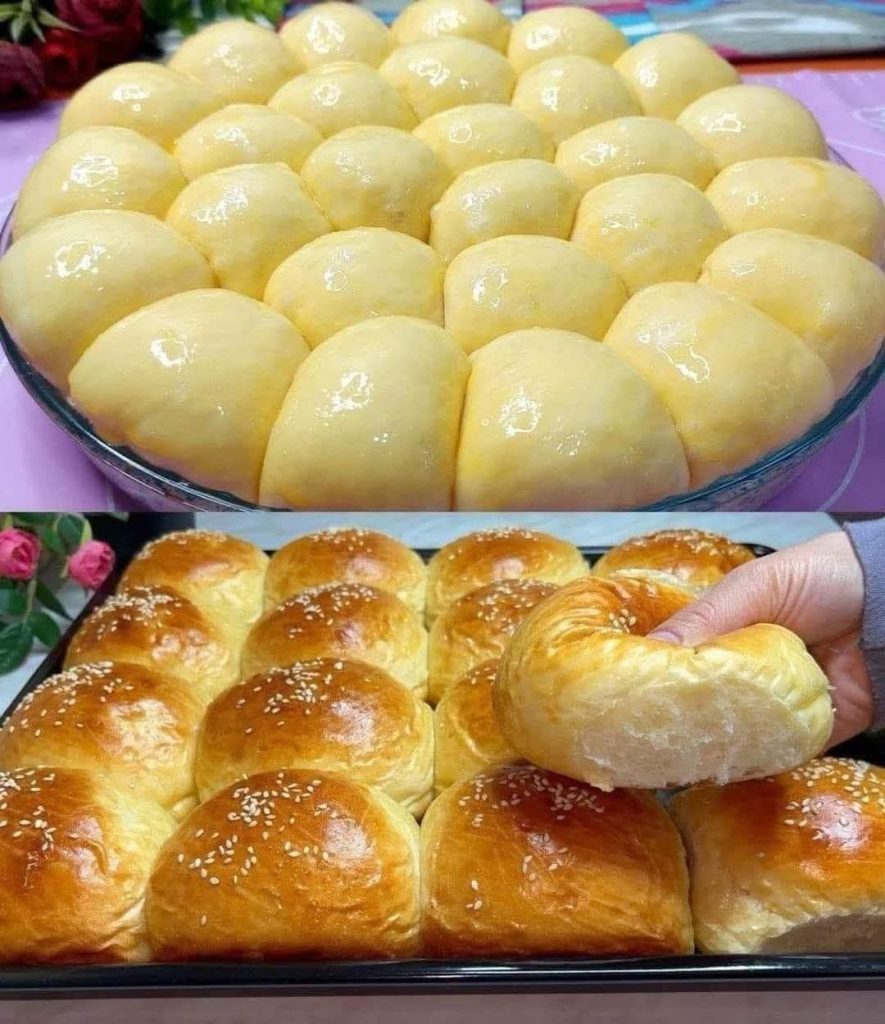
Soft and Fluffy Homemade Dinner Rolls Recipe
There is nothing quite like the smell of freshly baked homemade dinner rolls filling the kitchen. These soft and fluffy dinner rolls are golden on the outside, tender on the inside, and wonderfully light and buttery. They are the kind of homemade bread that can turn an ordinary family meal into something special.
This easy homemade dinner rolls recipe produces beautifully rounded rolls with a glossy golden crust and a soft, pillowy center. The rolls are perfect for serving alongside soups, stews, roasted meats, casseroles, holiday dinners, or simply enjoying warm with butter. Once you learn how easy it is to make them from scratch, you may never want to rely on store-bought rolls again.
The dough is made with simple ingredients that are commonly found in the kitchen. After mixing and kneading, the dough is allowed to rise until light and airy, then divided into individual portions and shaped into smooth balls. After a second rise, the rolls are brushed with an egg wash, sprinkled with sesame seeds if desired, and baked until beautifully golden brown.
Whether you are looking for soft dinner rolls for Thanksgiving, homemade bread rolls for a Sunday dinner, or an easy yeast roll recipe for the family, this recipe is a wonderful choice.
Why You’ll Love This Homemade Dinner Rolls Recipe
There are many reasons these homemade rolls deserve a place in your recipe collection. The first is their texture. Properly prepared dough creates rolls that are soft, fluffy, and tender instead of dense or heavy.
The golden crust is another highlight. A simple egg wash gives the tops an attractive shine and rich color as they bake. Adding sesame seeds creates a pleasant nutty flavor and gives the rolls a bakery-style appearance.
This recipe is also versatile. The rolls can be served with sweet or savory meals, used to make mini sandwiches, or enjoyed as a snack with butter, honey, or jam.
Most importantly, homemade rolls are incredibly satisfying to make. Watching a simple yeast dough transform into a tray of beautifully risen golden bread is one of the most rewarding parts of homemade baking.
Ingredients for Soft Homemade Dinner Rolls
The recipe uses straightforward ingredients, but each one plays an important role in creating the perfect texture.
Flour
All-purpose flour is a reliable choice for homemade dinner rolls. It provides enough gluten structure to help the dough rise while keeping the finished rolls soft and tender.
You can also experiment with bread flour. Bread flour has a higher protein content and can produce slightly chewier rolls, while all-purpose flour generally gives a softer result.
Warm Milk
Warm milk adds richness and tenderness to the dough. It also contributes to the beautiful color of the finished rolls.
The milk should be warm rather than hot. Very hot liquid can damage or kill the yeast, which can prevent the dough from rising properly.
Yeast
Yeast is responsible for making the rolls light and fluffy. Active dry yeast or instant yeast can be used depending on what you have available.
If using active dry yeast, it is helpful to dissolve it in warm liquid according to the package instructions before continuing with the recipe.
Sugar
A small amount of sugar provides mild sweetness and helps create a beautifully browned crust. The finished rolls should not taste overly sweet; instead, they have a subtle richness that works well with both savory and sweet dishes.
Butter
Butter adds flavor and tenderness. It can be incorporated into the dough and also brushed over the finished rolls after baking for an extra-soft, buttery crust.
Egg
Egg helps enrich the dough and can also be used for the egg wash. Brushing the tops with beaten egg before baking creates the shiny golden finish visible on these rolls.
Salt
Salt balances the flavors and is essential for good-tasting bread. It also helps control yeast activity and contributes to the overall structure of the dough.
Sesame Seeds
Sesame seeds are optional but make an excellent topping. They add a subtle nutty flavor and give the rolls an attractive bakery-style appearance.
How to Make Soft and Fluffy Dinner Rolls
Making homemade dinner rolls is easier than it may seem. The key is giving the dough enough time to develop and rise.
Step 1: Prepare the Yeast
Begin by warming the milk. It should feel pleasantly warm, not hot. Combine the warm milk with the yeast and a little sugar if your yeast preparation calls for it.
Let the mixture sit for several minutes. If using active dry yeast, you should see some activity or foaming, which indicates that the yeast is working.
If you are using instant yeast, you can generally mix it directly with the dry ingredients according to the package instructions.
Step 2: Make the Dough
In a large mixing bowl, combine the flour, sugar, and salt. Add the warm milk and yeast mixture, followed by the egg and softened or melted butter.
Mix until the ingredients come together and form a soft dough.
At first, the dough may look slightly sticky. This is normal. Avoid immediately adding a large amount of flour because too much flour is one of the most common reasons homemade bread becomes dense.
Step 3: Knead the Dough
Transfer the dough to a lightly floured surface and knead it until smooth and elastic. This usually takes several minutes by hand.
You can also use a stand mixer fitted with a dough hook if you prefer.
The finished dough should feel soft and slightly elastic. It should not be excessively sticky, but it also should not feel dry or stiff.
Proper kneading develops gluten, which gives the dough the strength it needs to trap the gases produced by the yeast.
Step 4: Let the Dough Rise
Place the kneaded dough into a lightly greased bowl. Cover it with plastic wrap, a clean kitchen towel, or another suitable cover.
Leave the dough in a warm, draft-free location until it has noticeably increased in size, usually about double.
The exact rising time depends on the temperature of your kitchen. A warm environment will generally allow the dough to rise faster, while a cool kitchen may require more time.
Do not rely only on the clock. The appearance and volume of the dough are more important than an exact number of minutes.
Step 5: Divide and Shape the Rolls
Once the dough has risen, gently press it down to release excess air.
Transfer the dough to a lightly floured surface and divide it into equal portions. Try to make the pieces as similar in size as possible so they bake evenly.
Shape each portion into a smooth ball. To do this, gently pull the edges of the dough underneath and pinch them together, creating a smooth surface on top.
Arrange the dough balls in a greased baking dish or on a lined baking sheet. Place them relatively close together so they can rise into soft, connected rolls as they bake.
Step 6: Allow a Second Rise
Cover the shaped rolls and let them rise again in a warm place.
This second rise is important because it gives the rolls their light, airy texture. The dough should become visibly puffy before baking.
Avoid rushing this stage. Under-proofed rolls can be dense, while properly risen dough produces soft and fluffy bread.
Step 7: Add the Egg Wash
Once the rolls have completed their second rise, beat an egg and gently brush it over the tops.
The egg wash is what gives the rolls their beautiful glossy golden appearance.
If you enjoy sesame seeds, sprinkle them over the tops immediately after brushing with egg. The wet egg wash helps the seeds stick to the dough.
Step 8: Bake Until Golden Brown
Place the rolls in a preheated oven and bake until they are puffed and beautifully golden brown.
The exact baking time can vary depending on the size of the rolls and your oven. Keep an eye on them during the final minutes.
The tops should have a rich golden color, while the rolls should feel light and cooked through.
Step 9: Finish With Butter
For an extra-soft and flavorful finish, brush the hot rolls with a little melted butter as soon as they come out of the oven.
Allow them to cool slightly before serving, although these rolls are especially delicious while still warm.
Tips for Making the Softest Dinner Rolls
The ingredients are simple, but a few techniques can make a big difference.
Do Not Use Hot Milk
One of the most important rules when working with yeast is to avoid excessively hot liquid. Very hot milk can kill the yeast and prevent the dough from rising.
The liquid should be comfortably warm.
Avoid Adding Too Much Flour
It is tempting to keep adding flour when dough feels sticky, but this can result in heavy rolls. Add flour gradually and stop once the dough becomes soft, smooth, and manageable.
A slightly soft dough generally produces more tender rolls than a stiff dough.
Knead Until Smooth
Proper kneading helps develop gluten and gives the dough enough structure to rise. When kneaded correctly, the dough should become smoother and more elastic.
If kneading by hand, give yourself enough time rather than stopping as soon as the ingredients come together.
Give the Dough Enough Time to Rise
Yeast dough needs time. The rising process is responsible for much of the light texture of the finished bread.
If your kitchen is cool, the dough may take longer to rise. Be patient and look for the dough to become noticeably larger and puffy.
Make the Rolls Similar in Size
Try to divide the dough evenly. If some rolls are much larger than others, they may require different baking times.
For a professional appearance, use a kitchen scale to portion the dough if you have one.
How to Know When the Dough Has Risen Enough
Instead of relying entirely on a timer, look at the dough.
During the first rise, the dough should become significantly larger, often close to doubling in volume. During the second rise, the shaped rolls should look puffy and airy.
A simple gentle finger test can also help. Lightly press a fingertip into the dough. If the indentation slowly springs back, the dough may be ready. If it immediately springs back completely, it may need more time. If it collapses easily, it may have risen too much.
Learning to recognize properly risen dough is one of the most useful skills for successful homemade bread.
Variations of Homemade Dinner Rolls
Once you master the basic recipe, there are many ways to change the flavor.
Garlic Butter Dinner Rolls
Mix melted butter with garlic powder and chopped parsley, then brush it over the warm rolls after baking. The result is a delicious garlic bread-inspired dinner roll.
Honey Butter Rolls
For a slightly sweeter version, combine softened butter with a little honey and brush it over the warm rolls. These are especially delicious with breakfast or brunch.
Herb Dinner Rolls
Add dried herbs such as parsley, rosemary, oregano, thyme, or Italian seasoning to the dough or butter topping.
Cheese Dinner Rolls
Add shredded cheese to the dough or sprinkle cheese over the rolls during the final minutes of baking. Cheddar, mozzarella, Parmesan, and provolone can all work well.
Sesame Seed Rolls
The sesame seed topping shown on these rolls adds a subtle crunch and nutty flavor. You can use white sesame seeds, black sesame seeds, or a combination.
Poppy Seed Rolls
Replace the sesame seeds with poppy seeds for a different appearance and flavor.
What to Serve With Homemade Dinner Rolls
These soft rolls are incredibly versatile and can accompany almost any meal.
Serve them alongside roast chicken, turkey, beef, pork, or baked ham. They are also excellent with soups and stews because they are perfect for soaking up flavorful broth or sauce.
For a holiday meal, serve them with mashed potatoes, roasted vegetables, stuffing, gravy, and your favorite main dish.
They also pair beautifully with pasta. A warm homemade roll can be served alongside spaghetti, lasagna, baked ziti, or creamy pasta dishes.
For breakfast or brunch, serve the rolls with butter, honey, jam, scrambled eggs, or cheese.
How to Store Homemade Dinner Rolls
If you have leftover rolls, allow them to cool completely before storing them.
Place them in an airtight container or tightly sealed food-storage bag. Keep them at room temperature for short-term storage.
For longer storage, homemade rolls can be frozen. Wrap them well to protect them from freezer burn, then place them in a freezer-safe bag or container.
When you are ready to enjoy them, allow frozen rolls to thaw and gently warm them in the oven. Brushing them with a little butter after reheating can help restore their soft texture and rich flavor.
Can You Freeze Dinner Roll Dough?
Yes, yeast roll dough can be frozen, although the method requires some planning.
One option is to freeze the shaped, unbaked rolls before the final rise. Place the shaped dough portions on a tray and freeze them until firm, then transfer them to a freezer-safe container or bag.
When ready to bake, allow the rolls to thaw and rise properly before applying the egg wash and baking.
This can be a convenient way to prepare homemade rolls ahead of holidays or large family gatherings.
Frequently Asked Questions
Why are my homemade dinner rolls not fluffy?
Dense rolls can result from several issues, including inactive yeast, adding too much flour, insufficient kneading, or not allowing enough time for the dough to rise.
Make sure your yeast is active and give the dough enough time to become light and puffy.
Can I use all-purpose flour?
Yes. All-purpose flour works very well for soft homemade dinner rolls and is one of the easiest options for home bakers.
Can I make these rolls without sesame seeds?
Absolutely. Sesame seeds are optional. You can leave them off or replace them with another topping such as poppy seeds, herbs, or grated cheese.
Can I prepare the dough the night before?
Yes. A slow overnight rise in the refrigerator can be used to prepare the dough ahead of time. Cold fermentation can also develop additional flavor. Allow the dough enough time to warm and rise properly before shaping or baking as needed.
How do I keep dinner rolls soft?
Avoid adding excessive flour during preparation and do not overbake them. Brushing the warm rolls with butter after baking can also help keep the crust tender and flavorful.
Why did my rolls spread instead of staying round?
The dough may have been too soft, over-proofed, or shaped without enough surface tension. Make sure the dough is properly kneaded and shape each portion into a smooth, tight ball before the final rise.
Can I make smaller rolls?
Yes. Simply divide the dough into smaller portions. Smaller rolls will generally bake faster, so begin checking them earlier than you would larger rolls.
A Perfect Recipe for Holidays and Family Gatherings
Homemade dinner rolls are particularly wonderful during holidays because they make the meal feel more special. A basket filled with warm, golden rolls can be placed in the center of the table where everyone can help themselves.
They are also convenient for large gatherings because the dough can be prepared ahead of time. You can shape the rolls and arrange them in a baking dish before guests arrive, then allow them to complete their final rise and bake them close to mealtime.
The aroma of fresh bread coming from the oven is one of those simple pleasures that makes a house feel warm and welcoming.
Why Homemade Bread Is Worth the Effort
In a world where packaged bread is readily available, making your own dinner rolls may seem like extra work. But homemade bread offers something that store-bought bread cannot always provide: freshness, customization, and the satisfaction of creating something from scratch.
You control the ingredients, the size, the toppings, and the level of sweetness. You can make the rolls plain, buttery, garlicky, cheesy, herbed, or topped with sesame seeds.
The process is also easier once you become comfortable working with yeast. After making this recipe a few times, recognizing the right dough consistency and knowing when the dough has risen enough will become second nature.
Final Thoughts
These soft and fluffy homemade dinner rolls are the perfect combination of simplicity and comfort. Their golden, glossy tops, tender centers, and buttery flavor make them an irresistible addition to almost any meal.
The recipe starts with a simple yeast dough made from everyday ingredients, then relies on proper kneading and rising to create that light, pillowy texture. Once shaped into individual rolls and topped with egg wash and optional sesame seeds, the dough bakes into beautiful golden rolls that look just as impressive as bakery-made bread.
Whether you are preparing a holiday feast, Sunday dinner, a family gathering, or simply want fresh bread to serve with soup, these homemade dinner rolls are a recipe worth saving. Serve them warm with butter, use them for sandwiches, or enjoy them straight from the baking dish.
With a little patience and a few simple ingredients, you can create soft, fluffy, golden dinner rolls that will quickly become a favorite at your table.