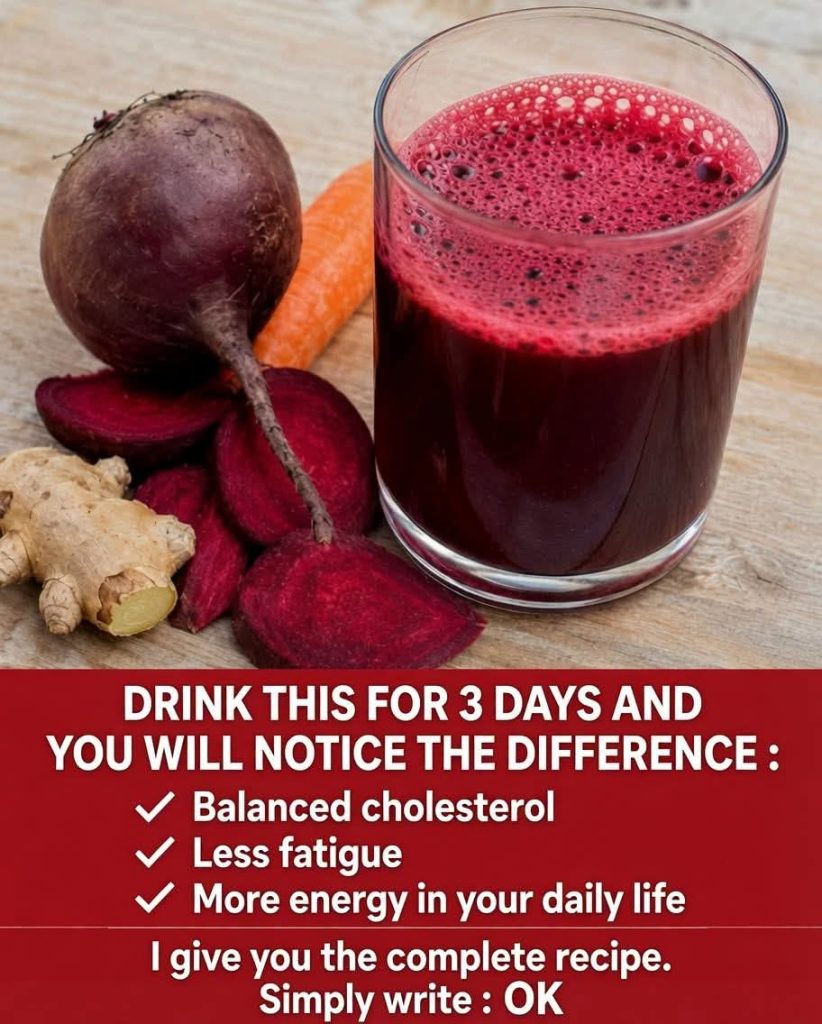
The Ultimate Beetroot Carrot Ginger Juice Recipe A Nutrient Dense Elixir for Daily Vitality
In the modern pursuit of holistic wellness and vibrant living, few functional beverages have captured the attention of health enthusiasts quite like the vibrant blend of beetroot, carrot, and fresh ginger. Often celebrated on social media platforms and in juice bars worldwide as a premier wellness tonic, this deep crimson elixir is far more than a passing dietary trend. It represents a masterful combination of root vegetables and botanicals that work synergistically to flood the body with bioavailable vitamins, essential minerals, and unique plant-based compounds designed to support systemic energy, cardiovascular health, and digestive vitality.
Integrating a fresh, unrefined glass of vegetable juice into your morning routine is one of the most efficient ways to elevate your daily nutrient intake. By extracting the raw liquid essence of these earthy roots, you strip away the heavy insoluble fiber temporarily, allowing your digestive system to rapidly absorb an abundance of cellular fuel. While social media graphics often promise instant overnight transformations within three short days, a grounded approach to nutrition reveals that the true power of this juice lies in consistent, long-term consumption. This comprehensive, long-form guide will explore the cellular science behind beetroots, carrots, and ginger, provide a foolproof preparation blueprint for both blenders and juicers, and detail the best strategic practices to maximize its exceptional wellness benefits safely.
The Chemistry of Root Elixirs: Understanding the Active Bioactive Compounds
To fully appreciate why this specific trifecta of ingredients is highly regarded in functional nutrition, it helps to analyze the individual biochemical profiles of each element. When beetroot, carrot, and ginger are juiced together, their unique molecular components interact to form a highly bioavailable complex that targets various physiological pathways.
Beetroot and Nitric Oxide Pathways
The undisputed star of this crimson blend is the humble beetroot. From a biochemical perspective, beets are exceptionally dense in naturally occurring inorganic nitrates. When you consume beetroot juice, your oral bacteria and salivary enzymes begin a multi-step conversion process, transforming these nitrates first into nitrites, and ultimately into nitric oxide within the vascular system. Nitric oxide acts as a potent signaling molecule that signals the smooth muscle tissues surrounding your blood vessels to relax and dilate. This systemic vasodilation optimizes blood circulation, supports healthy blood pressure levels, and enhances the delivery of oxygen and vital nutrients to hard-working muscles and organs. This optimization of oxygen delivery is the scientific reality behind the experienced reduction in physical fatigue and the natural uptick in daily stamina.
Carrots and Photoprotective Carotenoids
Carrots provide a brilliant orange hue and a balancing, natural sweetness to the juice, but their true value lies in their massive concentration of carotenoids, primarily beta-carotene and alpha-carotene. Beta-carotene serves as a direct biochemical precursor to vitamin A, an essential fat-soluble nutrient that the liver synthesizes as needed. Vitamin A is fundamentally critical for maintaining structural visual acuity, particularly in low-light environments, and supports the integrity of cellular membranes throughout the skin and immune tract. Furthermore, the diverse carotenoid matrix acts as a robust antioxidant shield, floating through the bloodstream to neutralize free radicals and protect delicate lipid structures from the destructive forces of oxidative stress.
Ginger and the Power of Gingerols
To ground the sweet, earthy tones of the root vegetables, fresh ginger root introduces a sharp, fiery aromatic punch. Ginger contains a highly concentrated group of volatile pungent resins known as gingerols, shogaols, and zingerones. Gingerols are celebrated in nutritional science for their profound ability to interface with the digestive tract, stimulating the production of gastric enzymes and accelerating intestinal motility to ease abdominal bloating and promote systemic comfort. On a cellular level, these bioactive compounds exhibit significant anti-inflammatory characteristics, working gently to modulate the body’s natural inflammatory pathways and encouraging an optimal metabolic balance after physical exertion.
Complete Ingredients and Kitchen Prep Checklist
Creating a premium glass of raw juice requires selecting crisp, vibrant, and unrefined ingredients. Because you are consuming these root vegetables in their concentrated raw state, paying attention to the quality of your produce directly impacts both the flavor profile and the nutritional yield of your beverage.
The Pure Ingredient Checklist
- 2 medium-sized Beetroots: Look for firm, unblemished beets with smooth skin. If the green tops are still attached, save them for sautés as they are rich in iron.
- 3 large Carrots: Choose plump, vibrant orange carrots that feel heavy for their size, indicating high water content and natural sweetness.
- 1-inch knuckle of Fresh Ginger Root: Ensure the ginger is taut and firm; wrinkled skin indicates the aromatic oils inside have begun to dry out.
- 1/2 fresh Lemon or Lime: Adds a much-needed splash of citric acid to balance the deep, earthy sweetness of the beets and preserve the bright color of the juice.
- 1/2 cup Filtered Water: Only required if you are utilizing the blender method to facilitate smooth blade movement.
Essential Equipment Options
- The Centrifugal or Masticating Juicer: The most direct tool for separating the pure, nutrient-rich liquid from the solid cellulose walls of the root vegetables.
- The High-Speed Blender and Nut Milk Bag: An excellent, accessible alternative for home kitchens without a dedicated juicer. The blender pulverizes the whole roots, and a fine-mesh mesh bag or cheesecloth is used to strain out the pulp manually.
Step-by-Step Preparation: The Blender and Juicer Methodologies
Whether you own a professional-grade juicing machine or a standard kitchen blender, you can easily produce a flawless, silk-smooth glass of this energizing root juice by following these precise technical protocols.
The Dedicated Juicer Protocol
Begin by washing your beetroots and carrots thoroughly under cool running water, using a stiff vegetable brush to remove any residual soil or debris clinging to the skin. There is no structural need to peel organic beets or carrots, as the skin contains a dense concentration of antioxidants; simply trim away the tough top crowns and the root tips. Peel the papery outer skin off your ginger piece using the edge of a spoon to expose the juicy yellow flesh underneath. Slice the vegetables into long, narrow batons that comfortably fit the feeding chute of your machine.
Turn your juicer on to its designated hard-vegetable setting. Feed the carrots and beetroots through the chute alternately, interspersed with the piece of fresh ginger. Alternating between the harder carrots and the juicier beets helps the machine process the fiber evenly, maximizing your total liquid yield. Finish by running the peeled half-lemon through the chute. Once the machine has extracted the final drops of liquid, stir the crimson juice thoroughly with a spoon to emulsify the natural sugars and volatile oils, and pour immediately into a cold glass.
The High-Speed Blender Strategy
If you do not own a juicer, you can achieve an identical liquid result with a standard blender and a bit of manual straining. Because root vegetables are incredibly dense, you must chop the cleaned beetroots, carrots, and peeled ginger into very small, half-inch cubes to protect your blender’s motor and blades from excessive strain. Place the diced roots into the blender jar and pour in a half-cup of cold filtered water to act as a liquid primer for the blades.
Secure the lid tightly and start the blender on a low speed to begin crushing the cubes. Gradually increase the speed to high, processing the mixture continuously for 60 to 90 seconds until the roots are completely transformed into a vibrant, uniform, and completely smooth puree. Place a large nut milk bag, fine-mesh strainer, or double-layered cheesecloth over a wide glass bowl. Pour the rich puree directly into the bag, gather the top edges securely, and use your hands to squeeze the bag firmly. Apply steady downward pressure to express the pure juice into the bowl, leaving the dry vegetable pulp trapped inside the cloth. Squeeze in the fresh lemon juice, stir well, and serve over ice.
Strategic Consumption Timing and Everyday Safety Best Practices
To extract the absolute highest utility from your homemade juice, understanding how it interacts with your digestive timeline can significantly amplify your everyday energy results.
The Fasting Window Advantage
The optimal time to drink a freshly pressed glass of beetroot carrot ginger juice is first thing in the morning on an empty stomach, roughly 20 to 30 minutes before consuming a solid breakfast. When your digestive tract is completely clear of heavy solid foods, the raw liquid matrix doesn’t have to wait for complex breakdown processes. The vitamins, mineral salts, and inorganic nitrates are rapidly absorbed through the stomach lining and intestinal walls, delivering an immediate, clean wave of cellular energy without causing the sluggishness or digestive weight associated with heavy morning meals.
Setting Realistic Expectations and Hydration Boundaries
While the immediate rush of micronutrients can make you feel noticeably more alert and refreshed, it is important to separate internet hype from sensible physiology. Drinking this juice for three days will absolutely give your body a fantastic baseline boost of antioxidants and hydration, but lasting wellness parameters—such as maintaining balanced cholesterol profiles and sustained vitality—require a lifestyle committed to long-term nutritional consistency.
Furthermore, do not be alarmed if you notice a harmless pink or reddish tint to your urine or stool a day after consuming this juice; this perfectly safe condition is known as beeturia and is simply the result of your body processing the intense natural betalain pigments found in beets. Lastly, because juicing concentrates the natural sugars of the vegetables, individuals managing blood sugar sensitivities should consult with their healthcare provider or consider blending in green vegetables like celery or cucumber to further balance the glycemic load.
Creative Ways to Repurpose the Leftover Vegetable Pulp
One of the common complaints surrounding fresh vegetable juicing is the structural waste of throwing away the extracted fiber. Instead of tossing the leftover beetroot and carrot pulp into the trash, you can easily upcycle it into delicious, high-fiber culinary creations.
The dry, colorful pulp remaining in your juicer or nut milk bag is an exceptional ingredient for rustic baking. You can fold a cup of the mixed beet and carrot pulp directly into your favorite morning muffin or quick-bread batters, where it adds a deep moisture profile, natural sweetness, and a spectacular color enhancement. Alternatively, mix the seasoned pulp with ground flaxseeds, a touch of olive oil, and sea salt, spreading it thinly across a baking sheet and dehydrating it in a low oven to create crunchy, nutrient-dense garden crackers. Repurposing the fiber ensures a zero-waste kitchen workflow while maximizing the value of your fresh produce.
Conclusion
The classic beetroot carrot ginger juice is a spectacular validation of how simple, raw root ingredients can be strategically combined to deliver a profound impact on daily vitality. By supplying your body with a highly bioavailable stream of inorganic nitrates, protective carotenoids, and stimulating gingerols, this deep crimson elixir offers an unrefined, holistic approach to optimizing systemic circulation, combating cellular oxidative stress, and promoting lasting digestive comfort.
By dedicating just ten minutes of your morning to correctly preparing this fresh blend—whether through a juicer or a blender assembly—you actively invest in a natural self-care ritual that hydrates and revitalizes your body from the inside out. Embrace this vibrant, earthy juice as a consistent pillar of your broader nutritional strategy, and enjoy the deep, sustainable energy and physical resilience that comes with keeping your cellular pathways naturally nourished every single day.